Why is Everyone Sleeping With Zinc Oxide on Their Face?
Is it really a shortcut to glowing, hydrated skin?
Reported by Vogue.
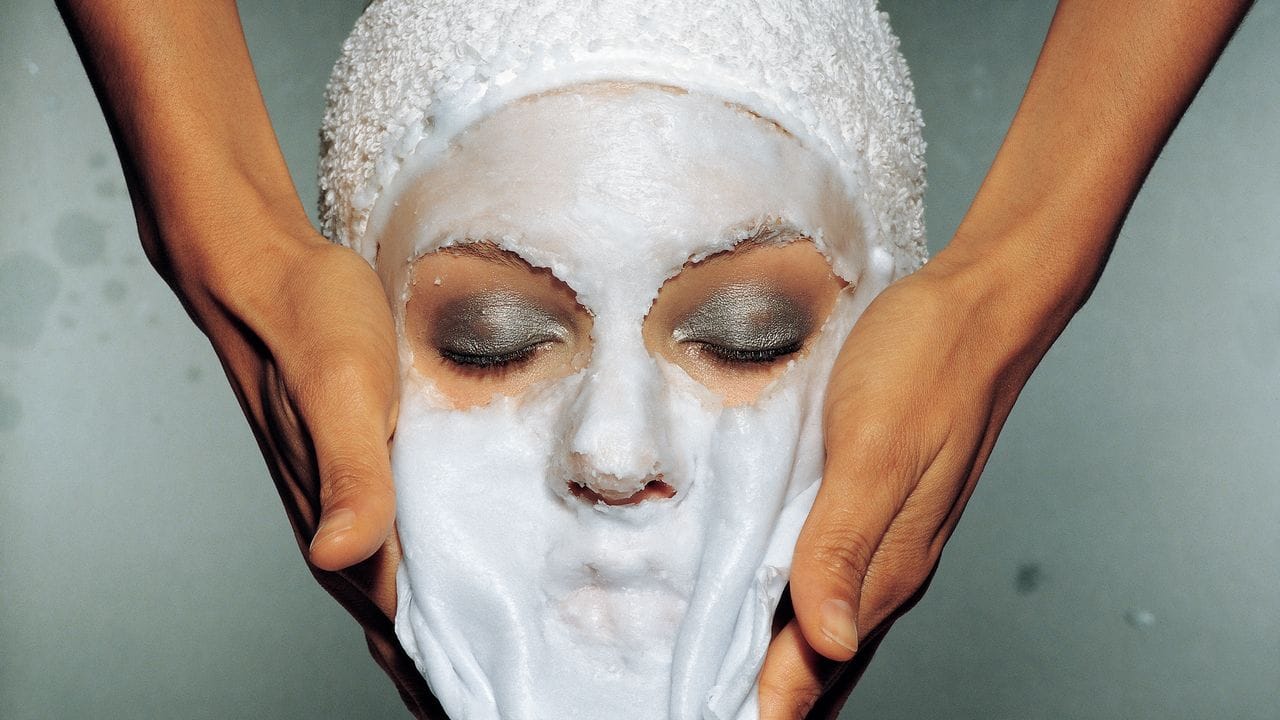
Slathering your face in thick white paste before bed isn't exactly the stuff of beauty fantasy — but TikTok has never cared much for glamour. The latest overnight skin ritual making the rounds involves coating your face in zinc oxide, the same chalky mineral compound found in diaper rash cream and SPF 50 at the beach. According to Vogue, creators are waking up to calmer, clearer, supposedly glowier skin — and dermatologists have thoughts.
The appeal isn't entirely unfounded. Zinc is genuinely useful — trichologist and medical practitioner Dr. Zeba Umar describes it as a skin-friendly mineral with real anti-inflammatory, oil-controlling, and barrier-supporting credentials. Oculoplastic surgeon Dr. Maryam Zamani breaks it down further: zinc oxide forms a protective layer on the skin, deflecting UV damage and reinforcing the barrier, while zinc PCA works more bioactively, targeting sebum and microbial balance. "It does not create radiance directly," says Dr. Zamani. "It creates the conditions in which healthy skin can function optimally." The overnight trend's momentum makes sense — one use can visibly reduce redness and even out skin tone, and Dr. Umar points to a broader cultural shift toward skin recovery over aggressive treatments.
Where It Goes Wrong
Here's the problem with trending ingredients: context collapses. Zinc oxide was designed as a short-term fix for inflamed, compromised skin — not a nightly all-over mask. "More isn't better," Dr. Umar warns. Thick, repeated overnight application can clog pores, trap heat and debris, and ironically trigger the breakouts you were trying to prevent — particularly for oily or acne-prone skin. Dr. Zamani goes further: what looks calmer on the surface isn't always healthier at a cellular level, and over-reliance on occlusive creams can actually undermine the skin's ability to regulate and repair itself. Formulas with added fragrance or acids compound the risk for sensitive skin.
If zinc's core benefits — barrier repair, inflammation control, sebum regulation — are what you're after, there are smarter, less suffocating ways to get there. Dr. Zamani points to ceramides, cholesterol, and essential fatty acids as foundational barrier-builders that work with the skin's biology. Dr. Umar adds niacinamide for resilience and inflammation, azelaic acid for gentle redness and breakout control, and vitamin A as the long-game gold standard for collagen and cellular renewal. "You still get the soothing and recovery benefits," says Dr. Umar, "but with lower risk of clogging or overloading the skin."
Zinc has earned its place in the routine — targeted, thinly applied, and used with actual intention — but it was never meant to be everyone's nightly ritual, and your skin knows the difference.
Read the original at Vogue.


