All About Beyoncé and Jay-Z’s Three Kids: Blue, Rumi, and Sir
Beyoncé has dedicated songs and visuals to each of her three children
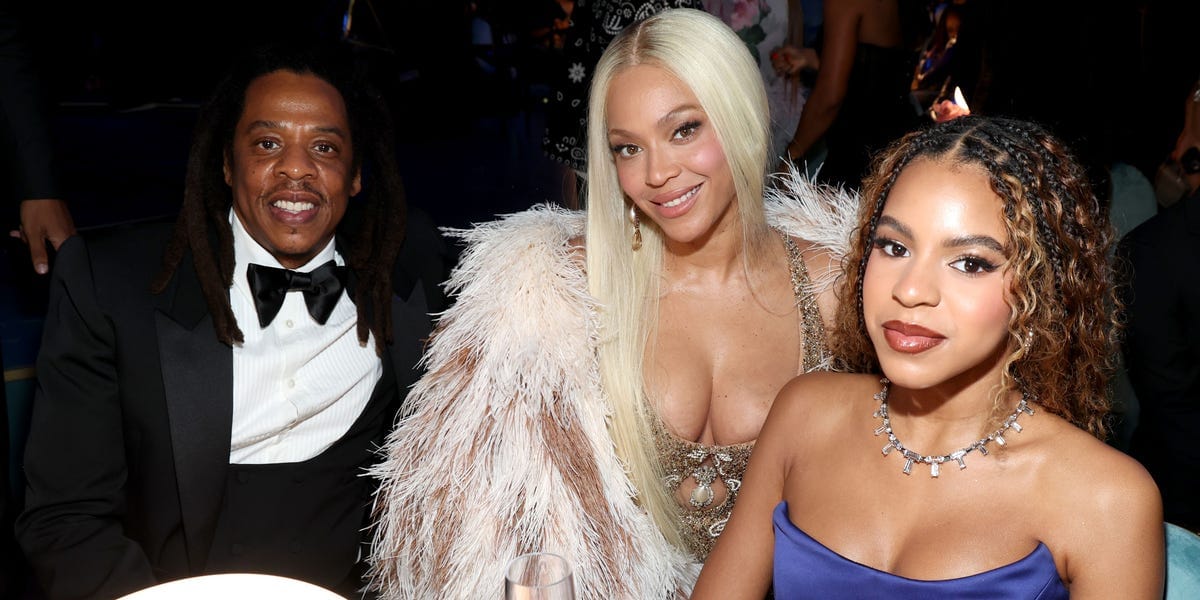
Reported by Harper's Bazaar.
Beyoncé and Jay-Z aren't just architects of modern music—they're guarding three kids who are quietly becoming artists in their own right. Blue Ivy, now 14, arrived in 2012 and almost immediately became a cultural marker: her infant voice landed on Jay-Z's track "Glory" before she could walk, making her the youngest person ever to chart on Billboard. But the real shift happened when she hit nine and won a Grammy for "Brown Skin Girl," or more recently, when she became a dancer on her mother's Renaissance and Cowboy Carter tours. The performances weren't handed to her. According to Harper's Bazaar, Beyoncé initially resisted putting her daughter onstage at such a young age, but Blue wanted it—pushed for it—and earned the spot through sheer drive. "She's a natural," Beyoncé told GQ in 2024, "but I did not want Blue onstage. Blue wanted it for herself."
What's striking is how deliberate Beyoncé has been about letting her children develop their own creative identities rather than manufacturing star power. Blue paints, acts, has opinions on music and fashion that matter. She voiced Kiara in Mufasa: The Lion King, appeared alongside her parents at the Grammys, showed up to the Super Bowl—all while maintaining enough privacy that the public doesn't feel entitled to her every move. It's a balance that takes real intention in an era of kid influencers and parasocial obsession.
The Twins Step Into the Picture
Rumi and Sir arrived in June 2017, their names carrying weight from day one. Jay-Z explained it plainly: Rumi is their favorite poet; Sir emerged from the hospital carrying himself like royalty, so the name stuck. For years, the twins stayed largely out of view—a deliberate choice that made their rare appearances significant. A 2021 Ivy Park campaign featured them at four years old. Then came Cowboy Carter, Beyoncé's 2024 album, which wove both children into its narrative. Rumi's voice floats through "Protector" asking for a lullaby; she later performed the track live with her mother. Sir, less visible publicly, gets what fans believe is a dedicated tribute in "My Rose" (alternately titled "MR.SIR" on the CD version).
What emerges across all three children is a family operating by its own rules: creative involvement is earned, not gifted; privacy is non-negotiable; and artistry develops on each kid's timeline, not the algorithm's. Beyoncé has described motherhood as "grounding and fulfilling," something that teaches her constantly about herself. That philosophy—treating parenting as a creative act requiring "prayer and patience"—shows up in how her children move through the world, whether they're performing at sold-out stadiums or simply existing away from cameras. The Carter kids aren't being manufactured into stars; they're being allowed to become themselves, publicly or otherwise.
Read the original at Harper's Bazaar.


