In the Drag World, the Art of Padding Is Transformative
This year’s Met Gala explores the relationship between clothing and the form—and nobody has served body (or the illusion of one) better than drag queens.
Reported by Vogue.
There's a particular magic happening under the clothes—layers of foam, silicone, strategic compression, and pure illusion that transforms a body into a statement. The drag queens doing this work aren't just padding; they're conducting a masterclass in intentional self-presentation, one that's more relevant than ever as this year's Met Gala centers on "the dressed body" itself.
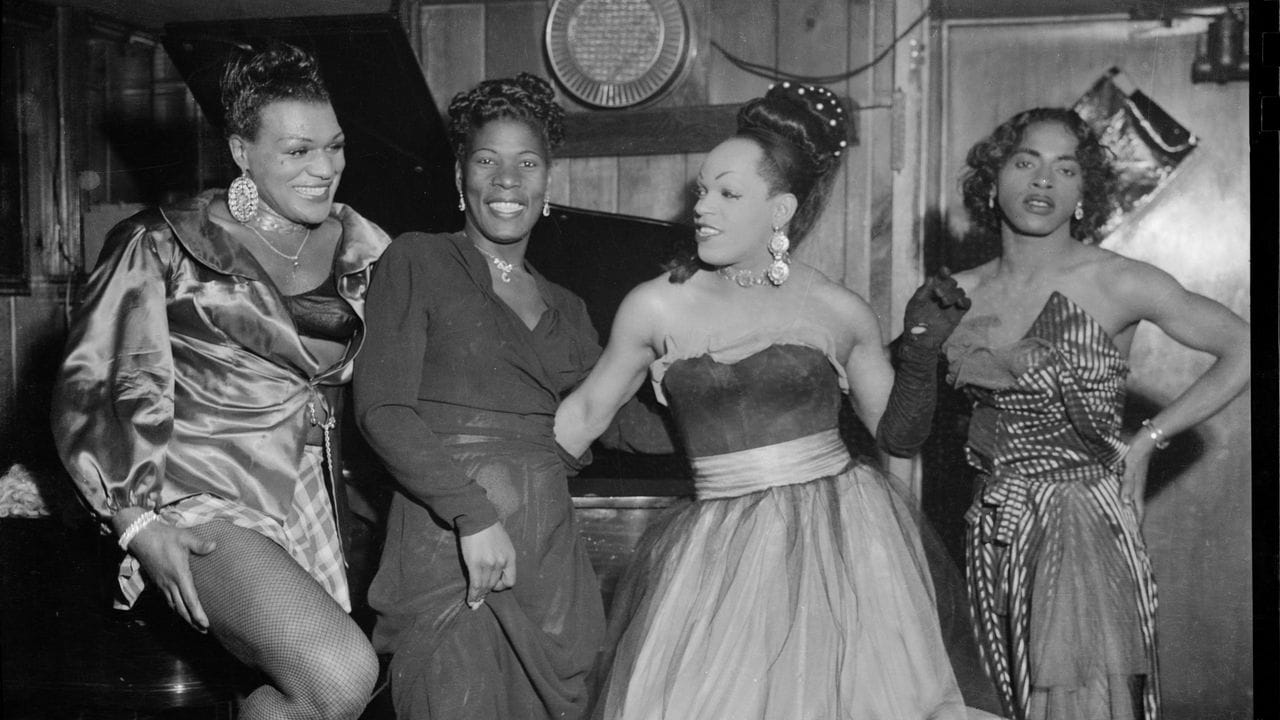
The practice traces back further than most realize. While gender-swapping actors in Shakespeare's era used simple costume tricks, modern padding as we know it solidified during the 1920s pansy craze and the Harlem ballroom scene of the 1960s, according to Vogue. Drag became less about mimicry and more about fantasy—a deliberate reconfiguration of the body to match an internal vision. "It's all one big magic trick," says Plane Jane, a padding virtuoso. "It looks flawless from the outside—but inside, it's levers and pulleys and glue." Queens like Jimbo articulate what padding actually does: it's not deception so much as radical agency. "When I'm padded and feeling myself, I'm taking up more space—and that feels good and sexy to me."
The Science of Silhouette
What started as simple foam inserts has evolved into a precise discipline. Bob the Drag Queen hand-crafts her own padding, targeting a meticulous 33-22-33 ratio. Jimbo layers like a Russian doll—foam cut with a turkey carving knife, contained in Spanx, secured with multiple hosiery layers, all atop a tucking panty and corset. Plane Jane uses composite foams with different densities, engineered for both shape and longevity. These aren't approximations; they're architectural. The complexity demands custom fashion—designers like Marco Marco, Diego Montoya, and Zaldy now specialize in garments that actually fit padded bodies. As Jimbo notes, "My proportions are very extreme. Non-custom clothes don't always work, because I'm not following human proportions."
Yet padding isn't universal doctrine anymore. Queens like Naomi Smalls and Aquaria have chosen to abandon it entirely, prioritizing movement and interaction with high fashion over silhouette control. Bob the Drag Queen gets it: "I'm not into being uncomfortable just for the sake of being uncomfortable. But drag is not known for its comfort." Some sacrifice mobility for transformation. Others don't. Both are valid.
What matters is what padding enables—a reclamation of space, gender expression as resistance, the power to decide what your body looks like and what that means about who you are. In a world increasingly hostile to drag and LGBTQ+ visibility, padding becomes more than aesthetics. It's a deliberate act of joy. "Gender is a uniform," Jimbo says. "Fashion and self-expression are a way around that." That's not vanity. That's survival dressed up as glamour.
Read the original at Vogue.