In Sicily, This Agriturismo Is Empowering Migrant Women Through Food
At Al Ciliegio in the small Sicilian town of Salemi, this women-led project sees migrant women from North Africa cook alongside women from Sicily, sharing recipes and learning Italian along the way.
Reported by Vogue.
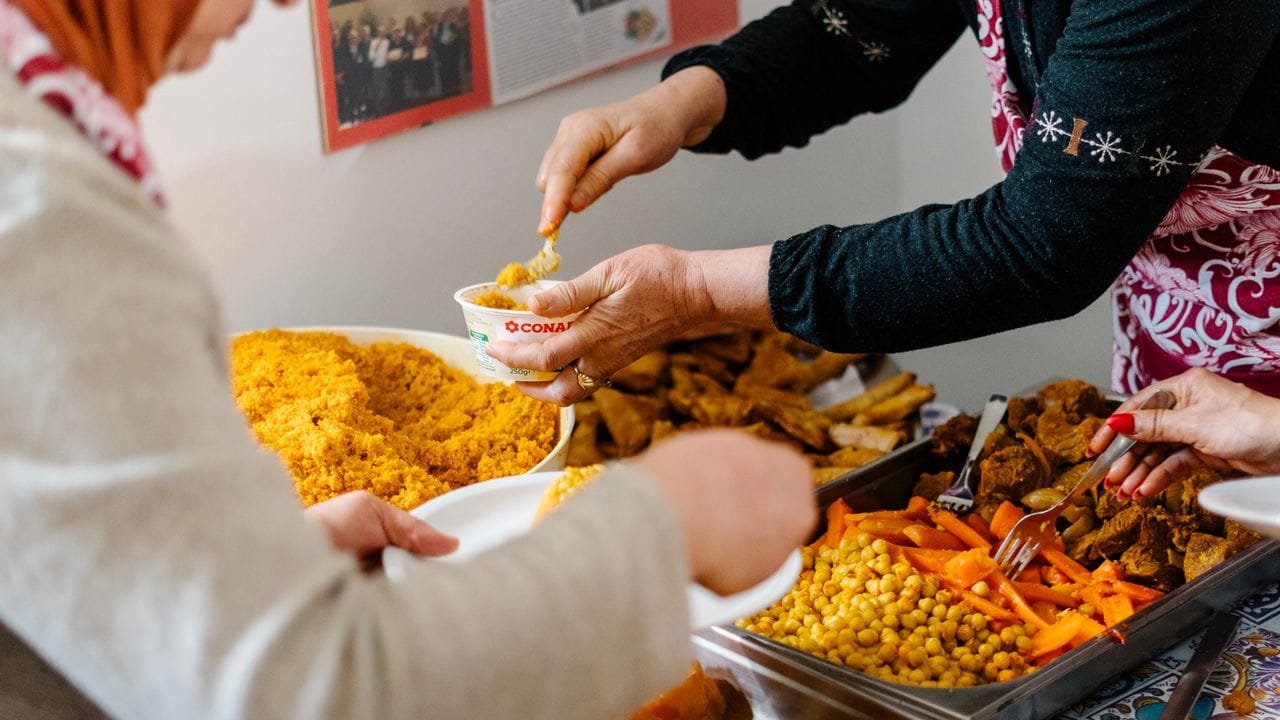
In a converted mafia seizure property outside Palermo, more than a dozen women crowd into a cramped kitchen—Tunisian migrants and Sicilian locals side by side, hands moving in practiced rhythm. They're scraping couscous, peeling vegetables, teaching each other the muscle memory of home. "It's like a wedding in Tunisia," laughs Salha Zaouali, a former German teacher now learning Italian through food. "All the women make couscous together."
This is Progetto Donna, a women's project now in its tenth year at Al Ciliegio, an agriturismo rooted in one of Sicily's most complicated histories. The property was seized from the mafia; the Fondazione San Vito Onlus, a nonprofit dedicated to repurposing confiscated mob assets for social good, transformed it into something radically different. About twenty women participate now, though over a hundred have cycled through since the project's inception, according to Vogue. They come with cooking skills and leave with Italian fluency, community, and something harder to quantify: agency. Giusy Agueli, who supports the women through their integration, notes that some initially needed their husbands' permission to attend. "Now it's changing," she says. "The women who have been here longer teach the newcomers: you don't need to ask. You can decide for yourself."
Food as Liberation
Cooking becomes the vehicle. These women already possessed culinary expertise—knowledge that, in isolation, can feel invisible or devalued. Here, it becomes currency and catalyst. Agueli explains the alchemy: "Traditionally, these women know how to cook, and they can express themselves through it and share their creations with others. That's very empowering. Cooking becomes a way of helping each other bring out the best in themselves." Raja Chaouch, who's lived in Sicily for 26 years, credits the project with teaching her Italian. Now, with her children at university, she relishes the group outings and the kinship. "We're like a big family," she says.
The menu itself maps centuries of Mediterranean movement. Brik—the crispy Tunisian pastry filled with potato, egg, tuna, and capers—sits alongside panelle, Sicily's iconic fried chickpea snack. Leblebi, the spiced Tunisian chickpea dip, neighbors caponata, Sicily's sweet-and-sour eggplant signature. The women serve it all with intention: Tunisian tea poured from dramatic height, pine nuts sourced from trees outside the restaurant, organic produce from local farmers. Most of the participants live in Mazara del Vallo, home to Italy's largest Tunisian community—around 4,000 people in a city of 50,000. The historical irony is sharp: in the 1800s, it was Sicilians who migrated to Tunisia seeking work and opportunity. Now the connection flows both ways, braided across generations.
At a moment when immigration faces relentless political attack worldwide, Al Ciliegio offers something rare: a quiet, persistent argument for integration as mutual transformation. It takes time, as Vito Puccio, the foundation's president, acknowledges. Restoring seized mafia properties requires navigating byzantine bureaucracy, securing funding, presenting vision. But ten years in, the evidence is undeniable—women gaining skills, language, confidence, and belonging. One woman, Amna Said, has both Italian and Tunisian passports and calls Sicily home after 35 years. "Whenever I'm in Tunisia, I always look forward to returning to Sicily," she says. That's not just hospitality. That's transformation.
When women cook together across borders, they're doing far more than feeding people.
Read the original at Vogue.