For Tommy Hilfiger, Racing Is in His Brand’s DNA
The brand has a long history with F1, and this year, it backed a new player in Cadillac
Reported by Harper's Bazaar.
Formula 1 was never just about the cars. But somewhere between Lewis Hamilton making the paddock feel like a runway and Brad Pitt filming a fictional racing drama that required real pit uniforms, the sport completed its full transformation into a fashion event with engines attached. Tommy Hilfiger didn't stumble into this moment — he's been engineering it for thirty years.
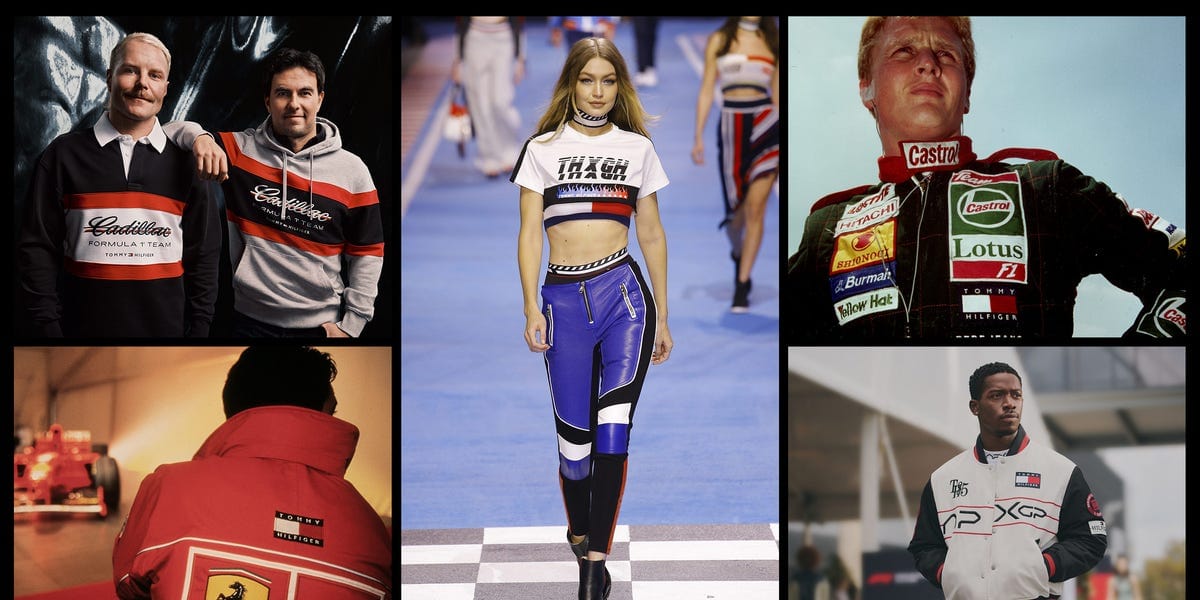
The brand's motorsport history runs deeper than most people realize. According to Harper's Bazaar, Tommy Hilfiger became the official clothing sponsor for Team Lotus from 1991 to 1994, then made history as the first non-automotive brand to sponsor Scuderia Ferrari (1998–2001). In 2018, seven-time world champion Lewis Hamilton signed on as global brand ambassador, and Tommy locked in as the official apparel partner for Mercedes through 2024. "My connection to Formula 1 started when I was a kid watching races through the fences at Watkins Glen," Hilfiger says — which explains why the investment has always felt like conviction rather than trend-chasing.
From Fictional Teams to Cadillac's Historic Grid Debut
The brand dressed the fictional APXGP team in Apple's F1 film starring Brad Pitt and Damson Idris — who is, notably, a real Tommy ambassador — a move Hilfiger calls "fashion-tainment," placing the label inside the narrative rather than beside it. That philosophy scales directly into the brand's biggest motorsport play yet: outfitting Cadillac Racing for its highly anticipated first F1 season. Team kits, pit uniforms, merchandise, and a new global menswear ambassador in lead driver Sergio "Checo" Pérez. Hilfiger watched Cadillac's Miami race from his paddock suite at Hard Rock Stadium alongside family, colleagues, and guests including Suni Lee and Katseye's Manon.
The Cadillac collection itself threads the needle between heritage and now — Tommy's signature red, white, and blue rugby polos alongside a sleek black bomber, a cropped quarter-zip, and a tube top built for the streets outside the circuit. "Fans want to show team pride, but they also want pieces that fit their lifestyle," Hilfiger says. As F1's fanbase has grown more female and more global, the brand has deliberately widened its offer to match — it also sponsors and outfits staff for F1 Academy, the all-female racing series working to diversify the sport entirely.
Drivers like Hamilton, Lando Norris, Charles Leclerc, and Zhou Guanyu have done as much for F1's fashion credibility as any brand partnership, and Hilfiger knows it. "Fashion and motorsport are no longer separate worlds — they move together, shaping culture in real time." The paddock isn't a sideline anymore; it's the main event, and the brands that understood that earliest are the ones writing the aesthetic rules now.
Thirty years of pit-lane presence means Tommy Hilfiger isn't riding F1's cultural wave — he helped make it.
Read the original at Harper's Bazaar.