In ‘Amadeus,’ Will Sharpe Plays a Mozart in Several Registers
The British actor, screenwriter, and director discusses inhabiting one of history’s most mythologized figures—and finding the deeply human chaos beneath the legend.
Reported by Vogue.
The powdered-wig period drama has a reputation problem. Too stiff, too reverent, too convinced that historical distance is the same thing as prestige. Starz's new five-part series Amadeus — which premiered last week — is trying something different, and it largely works because of who's at the center of it.
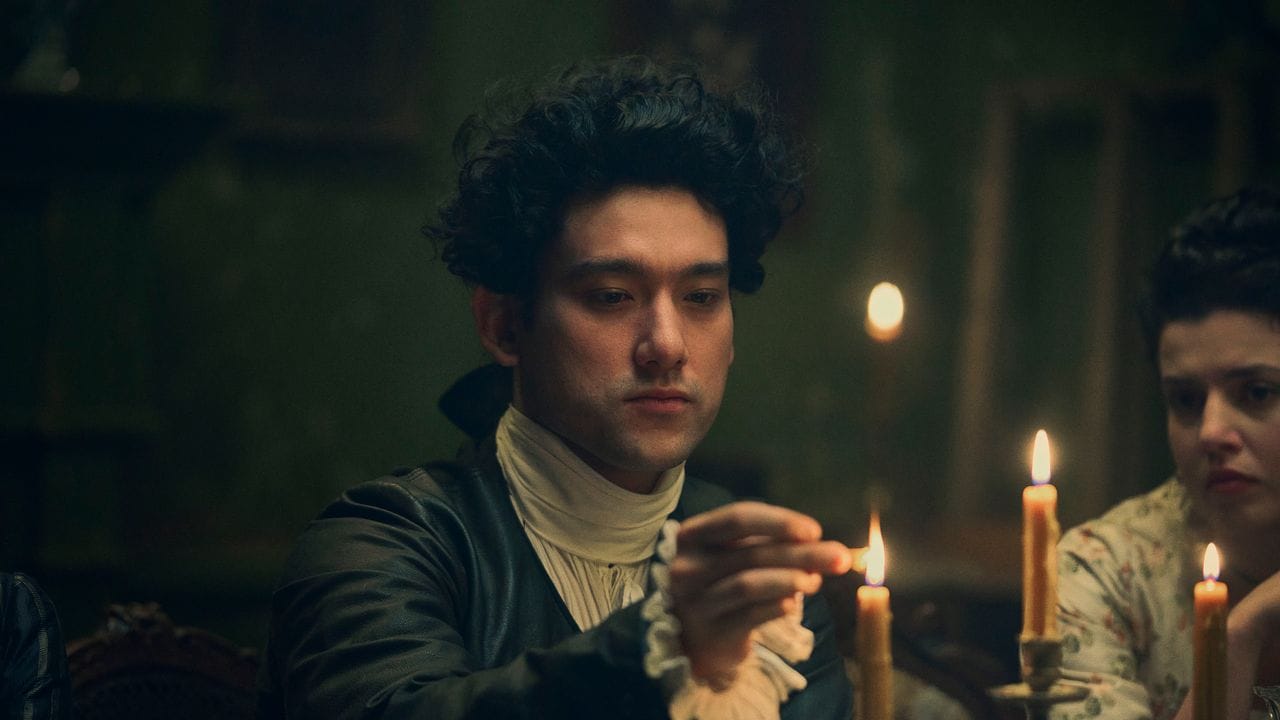
Will Sharpe, Emmy-nominated for his slippery, magnetically withholding turn in The White Lotus Season 2, plays Wolfgang Amadeus Mozart opposite Paul Bettany's coiled Antonio Salieri. The series reimagines Peter Shaffer's classic play — itself descended from an 1830 Pushkin drama and later the Oscar-winning 1984 film — as something moodier and more psychologically combustible: a fever dream of ambition, resentment, and genius in freefall. Sharpe's Mozart isn't a marble-bust icon. He's an impulsive prodigy buckled under his own gift, navigating late-18th-century Vienna while Salieri's admiration quietly rots into obsession. According to Vogue, Sharpe described the character as someone "run ragged" by expectation — a man who could compose the extraordinary but couldn't parse basic social norms, perpetually confusing and offending the very people he needed.
Court Dress, Chaos Energy
The costuming does real work here. Towering wigs reference rock-star silhouettes more than royal portraiture. Richly embroidered velvet sits alongside at least one jacket in punkish black leather. Director Julian Farino pushed for everything to feel worn-in rather than museum-preserved, and Sharpe leaned into it — fighting the weight of thick period fabric to stay physically loose, especially in the conducting scenes. The one piece Sharpe says could survive a modern wardrobe? The billowy shirts with the frilly cuffs. Which, honestly, feels correct given where menswear is headed.
That punk instinct isn't just costume-deep. Sharpe noted that Mozart — a composer who set a banned text with The Marriage of Figaro and refused to perform as a servant of the court — had real structural defiance running through him. You can hear it, too: pop chord progressions buried in 18th-century compositions, a musical curiosity so wide it echoes across hip-hop, jazz, and prog rock. Sharpe also made history in the role, likely becoming the first actor of Asian descent to play Mozart for English-speaking audiences — though he framed it simply: the story is famously fictionalized, the characters aren't biographical, and his job was to find the human chaos underneath the legend.
What Amadeus ultimately argues is that genius isn't grace — it's friction, and the series is more interesting for it.
Read the original at Vogue.