Luxury’s Third-Quarter Earnings Cheat Sheet
Will Q3 mark a low point for luxury in China? Will the slowdown in the US come to an end in the holiday period? Analysts weigh in with their predictions.
Reported by Vogue.
The luxury industry has spent the better part of 2026 telling investors to be patient. Q3 may test that patience further. According to Vogue, share prices for LVMH, Hermès, and Kering have dropped 40%, 39%, and 30% respectively since January — and the upcoming earnings cycle is unlikely to reverse the mood. HSBC estimates average sector growth of just 1.1% for Q3 (excluding outlier Richemont), down sharply from 5.1% in Q2. The diagnosis from HSBC head of luxury Anne-Laure Bismuth is blunt: conditions came in worse than anticipated, and estimates were revised down across the board.
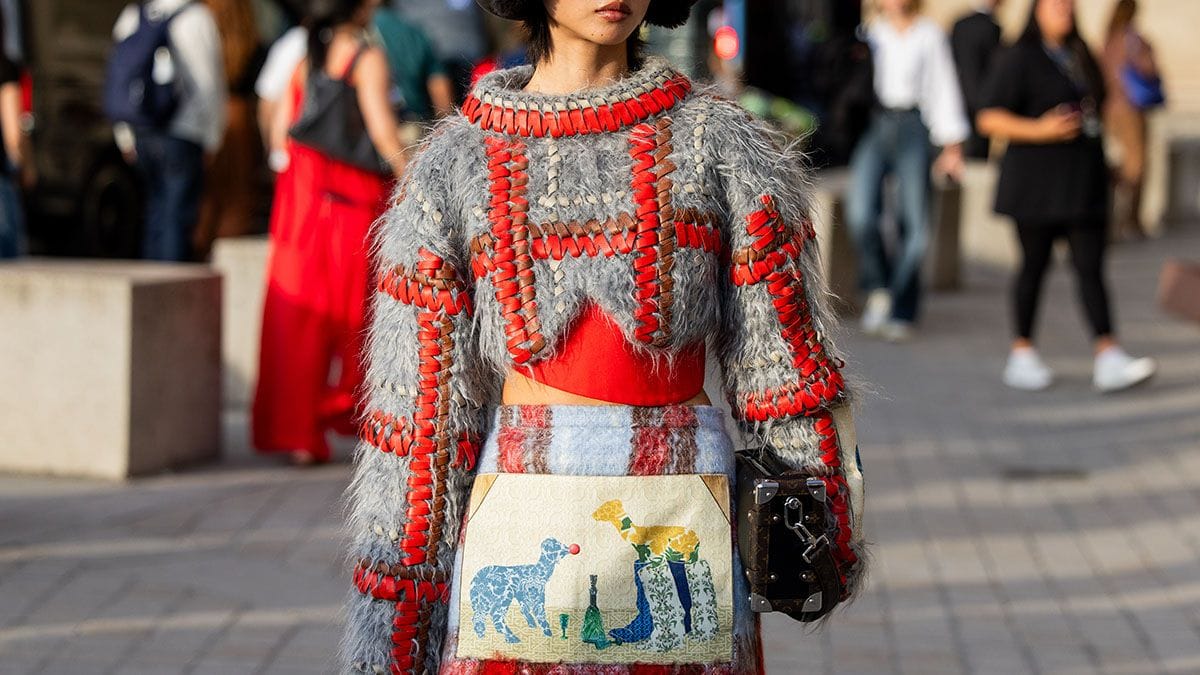
China is the most visible wound. Goldman Sachs luxury analyst Erwan Rambourg points to a new foreign-assets tax, widespread store closures, and social media backlash following Louis Vuitton's trademark suit against Chinese tea brand Molly Tea — a case that cost the local brand roughly $1.5 million but may be costing LV something harder to quantify in regional goodwill. LVMH CFO Cécile Cabanis defended the IP action as routine; Bismuth believes any sales impact will be temporary. Still, LVMH's fashion and leather goods division — the house's most critical engine — is forecast to contract 2% in Q3, a reversal after finally returning to positive growth last quarter. Whether investors read that as a cyclical stumble or something more structural is the question keeping analysts up at night. "In the event of a weak Q3, some investors may be more inclined to view the slowdown as structural rather than cyclical," says Marion Ortelli of Ortelli & Co.
Where the Money Is Actually Moving
Jewelry is the one corner of luxury that refuses to cooperate with the gloom. Richemont — whose Cartier and Van Cleef & Arpels maisons powered 24% growth last quarter — is expected to stay dominant, with HSBC forecasting 17% Q3 growth for its jewelry division. LVMH's jewelry and watches portfolio (Tiffany, Bvlgari) is projected up 11%; Kering's (Boucheron, Pomellato) up 14%. Morningstar senior equity analyst Jelena Sokolova attributes the category's resilience to its wealthier, more insulated customer base and comparatively modest price hikes, which make pieces feel like genuine investments. Her caveat: "Jewelry brands could become victims of their own success" if overexposure catches up with them.
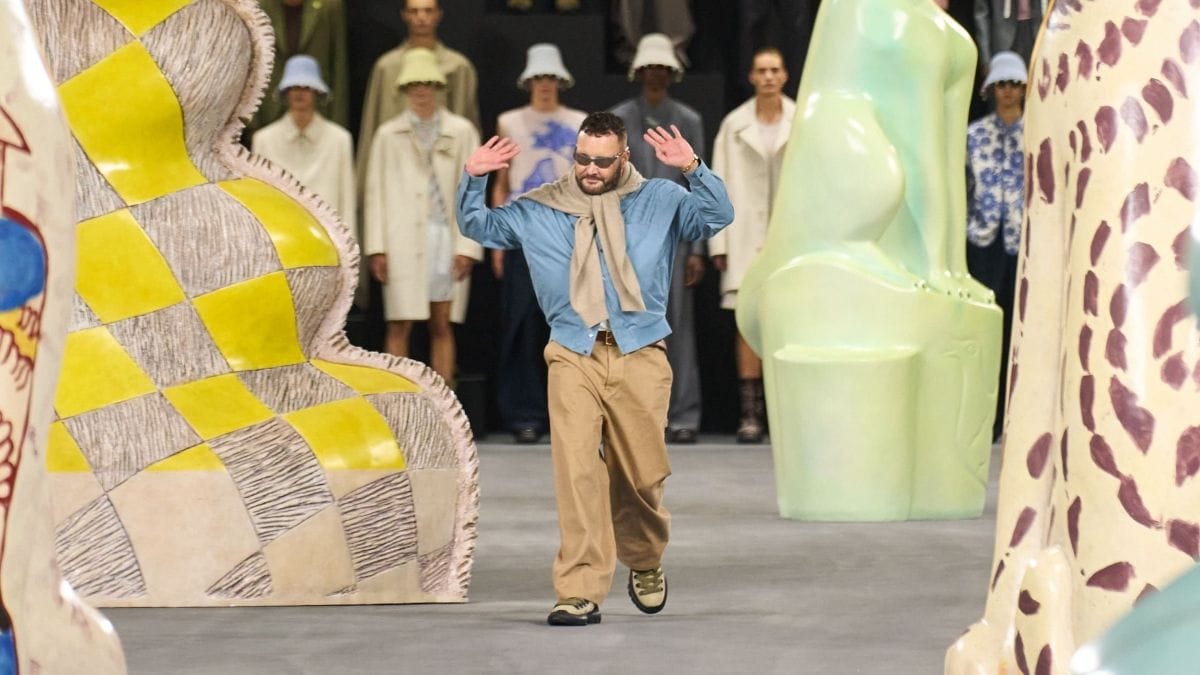
Meanwhile, the industry's much-watched creative resets are producing uneven early returns. Matthieu Blazy at Chanel reportedly drove comparable revenue up 16% in the first half, though Q3 data isn't yet available. Jonathan Anderson's Dior is forecast to eke out 1% growth — outperforming the broader LVMH fashion division — with Goldman Sachs projecting a more bullish 6%. Demna's Gucci remains the hardest turnaround story: HSBC sees a 5% organic sales decline for Q3, though analysts expect GucciCore, hitting stores in October/November, to support a return to positive territory by Q4. Rambourg's read: Q3 is soft by design, but "brands that have gone through big changes are creeping up in terms of newness."
The luxury sector is in the uncomfortable middle of a reset — creative, geographic, and economic — and Q3 will likely confirm the turbulence before any real recovery takes shape.
Read the original at Vogue.