Samuel Guì Yang Shanghai Spring 2027
Samuel Guì Yang Shanghai Spring 2027 collection, runway looks, beauty, models, and reviews.
Reported by Vogue.
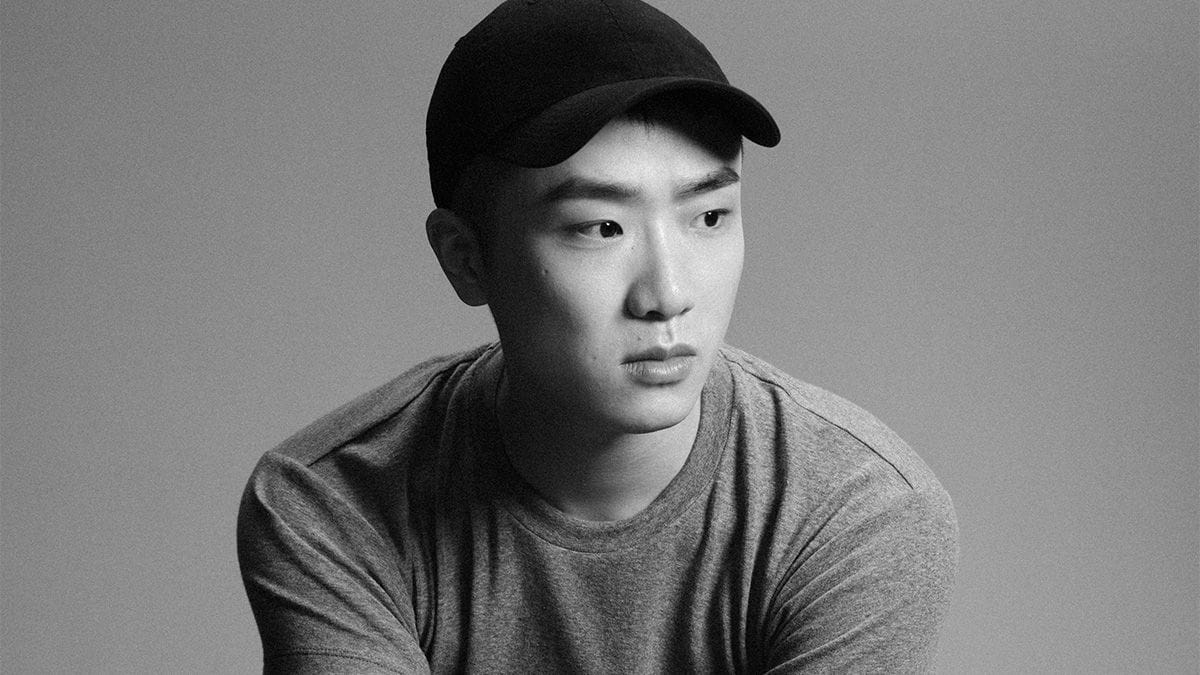
There's a version of "Chinese-inspired fashion" that amounts to a dragon embroidered on a blazer and a vague gesture toward the East. Samuel Guì Yang has never been interested in that version. For Spring 2027, designers Samuel Yang and Erik Litzén staged their Shanghai show inside a 1930s building — Shanghai Film CHAO — where Chinese and Western architecture have been quietly coexisting for nearly a century. The venue wasn't set dressing. It was the argument.
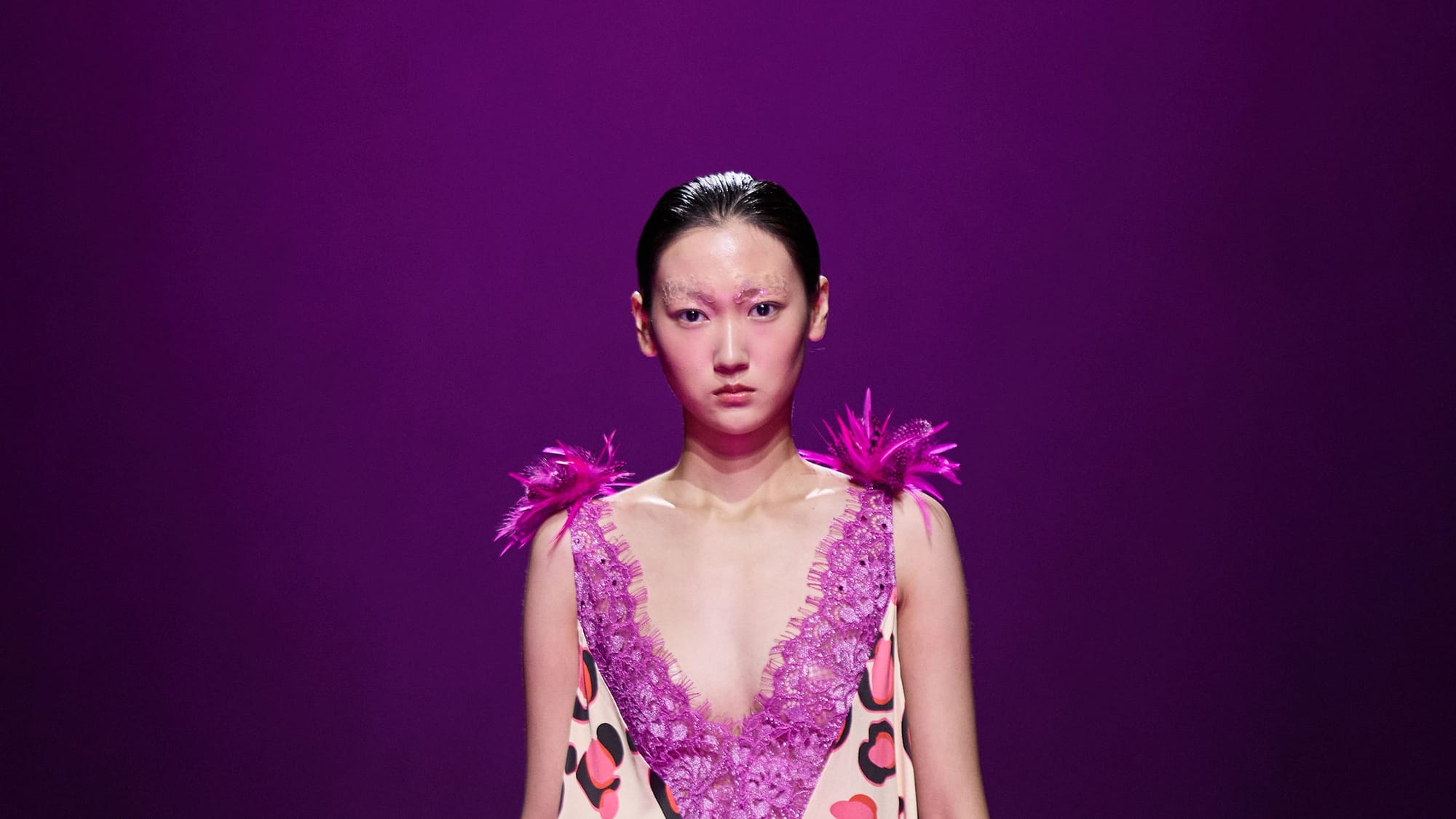
The collection drew from Green Snake, Tsui Hark's 1993 film starring Maggie Cheung and Joey Wong — itself a modern retelling of the ancient Chinese legend of the white snake. According to Vogue, the designers treated the source material less as costume inspiration and more as a conceptual frame: clothing as shedding, as transformation, as something that moves with the body rather than encasing it. Water translated into color — glacial blues, hazy smoke tones, bursts of electric green and soft pink — and surfaces that appeared to shift as models moved through them.
A More Sinuous Line
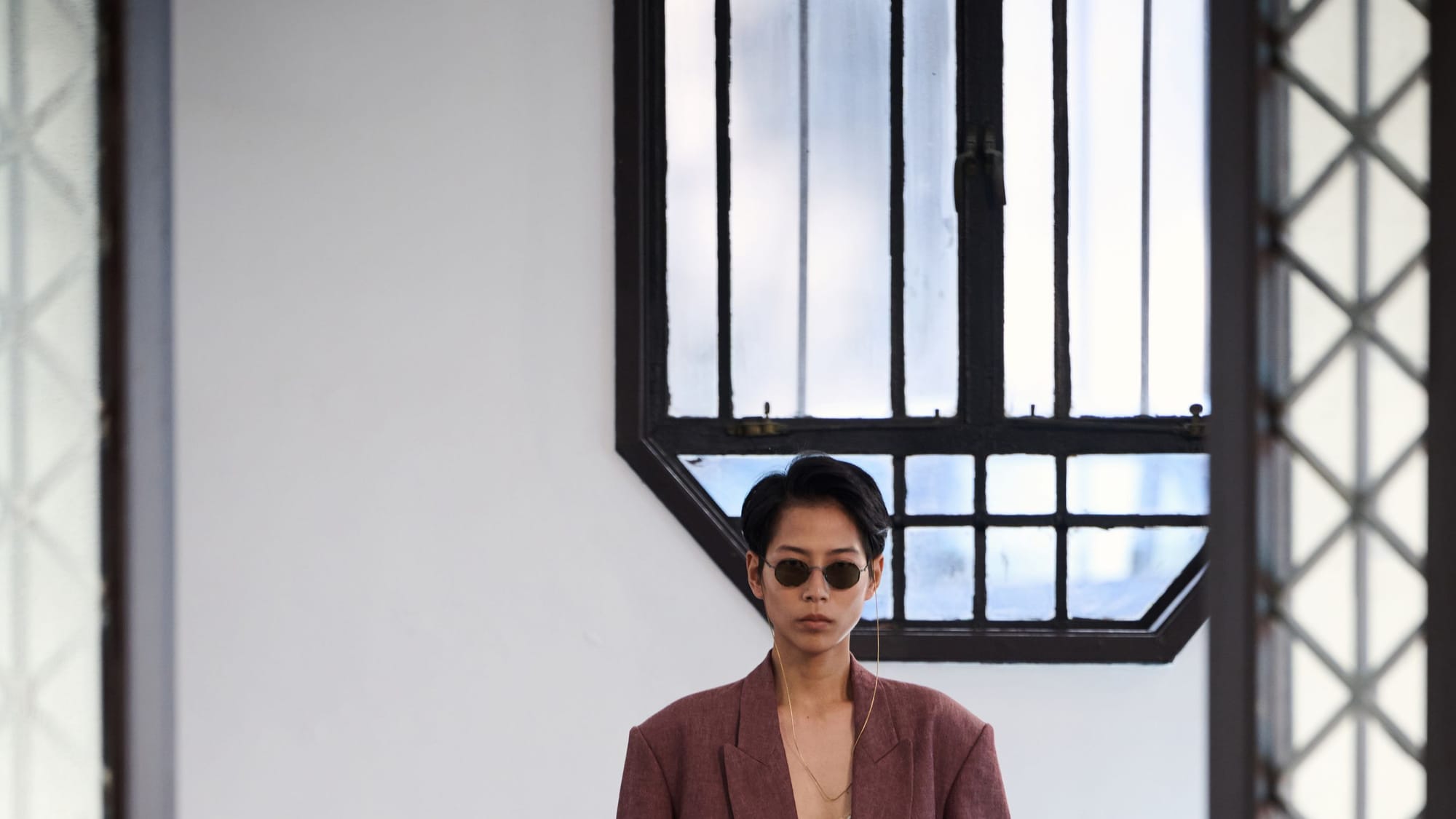
Samuel Guì Yang's silhouettes have historically leaned generous, architectural, deliberately unstructured. This season pulled tighter. Fitted layered jerseys, elongated cuts, and openwork details traced the figure instead of floating past it. Snakeskin patterns appeared in printed silk and woven jacquards — not as a literal reptile reference but as texture with intent, suggesting skin as something you grow into and eventually leave behind. Painterly prints and graduated colorwork completed the effect: nothing felt static, everything felt mid-motion.
What matters here is the methodology. Yang and Litzén have been clear that Chinese references aren't garnish applied to a Western base — they're structural. This collection drew a through-line from a Song-dynasty water painting to archival prints from the brand's own history, treating both with equal weight. That's a different practice than surface-level cultural citation, and the distinction is increasingly worth making in an industry that still too often conflates the two.
Fashion rarely moves in straight lines — and the best collections know how to slither.
Read the original at Vogue.