The Business Case for Nature
As the climate crisis accelerates and geopolitical tensions disrupt fashion supply chains, executives are reckoning with relentless volatility. Could investing in nature hold the key?
Reported by Vogue.
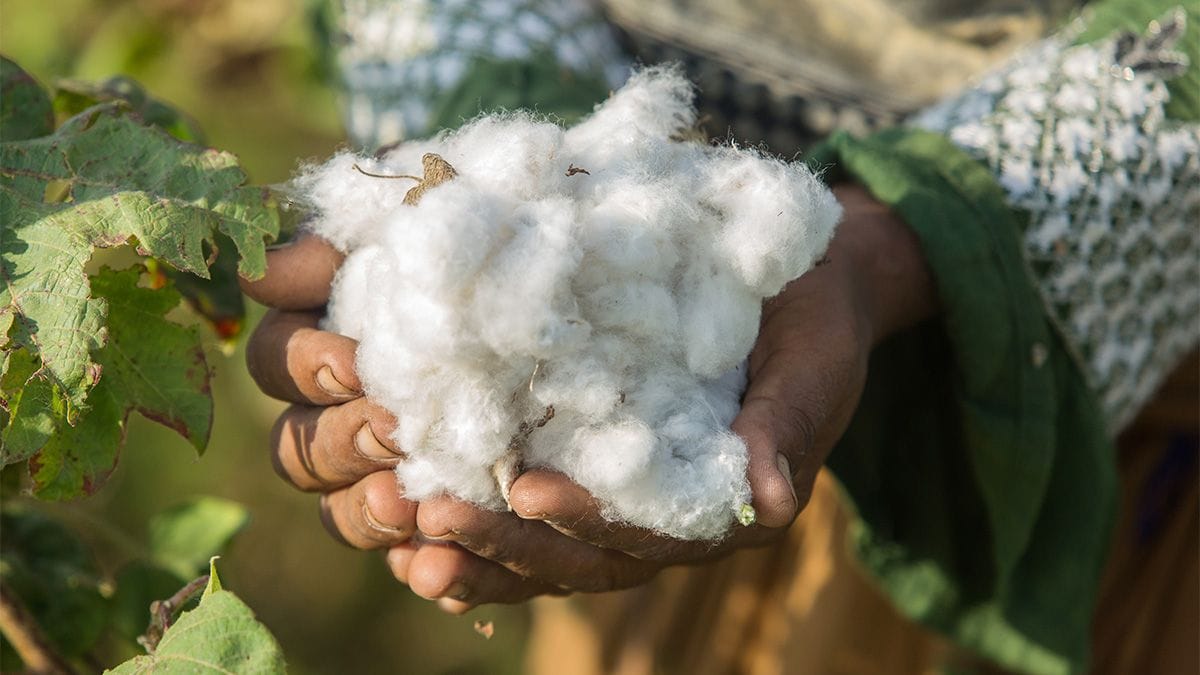
In 2022, Pakistan's catastrophic floods wiped out roughly 40% of the country's annual cotton yield — and left fashion brands scrambling. H&M was among those hit hardest, unable to secure cotton at the right price or timeline. The disruption was a loud, expensive wake-up call: nature isn't a background concern for the fashion industry. It's a supply chain variable that can collapse a season overnight.
According to Vogue, sustainability teams are now finding it easier than ever to make the financial case for investing in nature — because the disasters are writing it for them. H&M Group's biodiversity impact lead Jennie Granström says the brand is now scaling regenerative agriculture in cotton specifically for resilience, not optics. Kering has been building toward this for over a decade: it implemented fashion's first Environmental Profit and Loss framework in 2016, set a biodiversity strategy in 2020, adopted science-based nature targets in 2024, and launched an industry-leading water strategy in 2025. Bestseller — Topshop's parent — has committed $3 million to the Regenerative Fund for Nature, co-founded by Kering and Conservation International. VF Corp ran scenario planning exercises that included a future so warm that skiing stops and no one buys a North Face puffer. The point wasn't doom — it was discipline. As VF Corp's Sean Cady put it, the exercise builds a useful "muscle" for reducing future downside risk.
The Business Case Isn't Complicated — It's Just Unfamiliar
For brands without a decade of groundwork, the entry point is specificity. Dr. Samuel Sinclair, co-founder of biodiversity consultancy Biodiversify, frames it this way: a mass-market brand buying commodity cotton can source from dozens of countries and absorb disruption more easily. A luxury house whose identity is built on Mongolian cashmere or extra-long-staple Pima cotton? That brand has a very different exposure. Once sustainability teams map where nature touches their actual supply chain — fiber quality, dyeing processes, water availability, land use — they can translate vague environmental risk into concrete numbers. Sinclair's pitch to CFOs: "You cannot escape this $60 million risk, but you could solve it by spending $20 million on nature." That framing converts a values conversation into a capital allocation decision.
The instinct to fall back on insurance won't hold up much longer. As climate events intensify and compound, traditional insurance models — built on historical data — are becoming structurally inadequate. Sinclair is direct: when crises happen almost constantly, you can't spread risk the way insurance requires. Kering's head of sustainable sourcing, Rachel Kolbe Semhoun, sees an opening here: brands that have already invested in nature-based solutions are sitting on data that insurance companies desperately need to model future risk. Early movers aren't just protecting their supply chains — they're helping to define what risk management even looks like going forward.
The brands that figure this out first won't just survive the next supply chain shock — they'll be the ones setting the terms for everyone else.
Read the original at Vogue.