The Return Of Relaxer: Why Are Some Black Women Rethinking Their Natural Hair?
Vogue dives into the complicated appeal of hair relaxers.
Reported by Vogue.
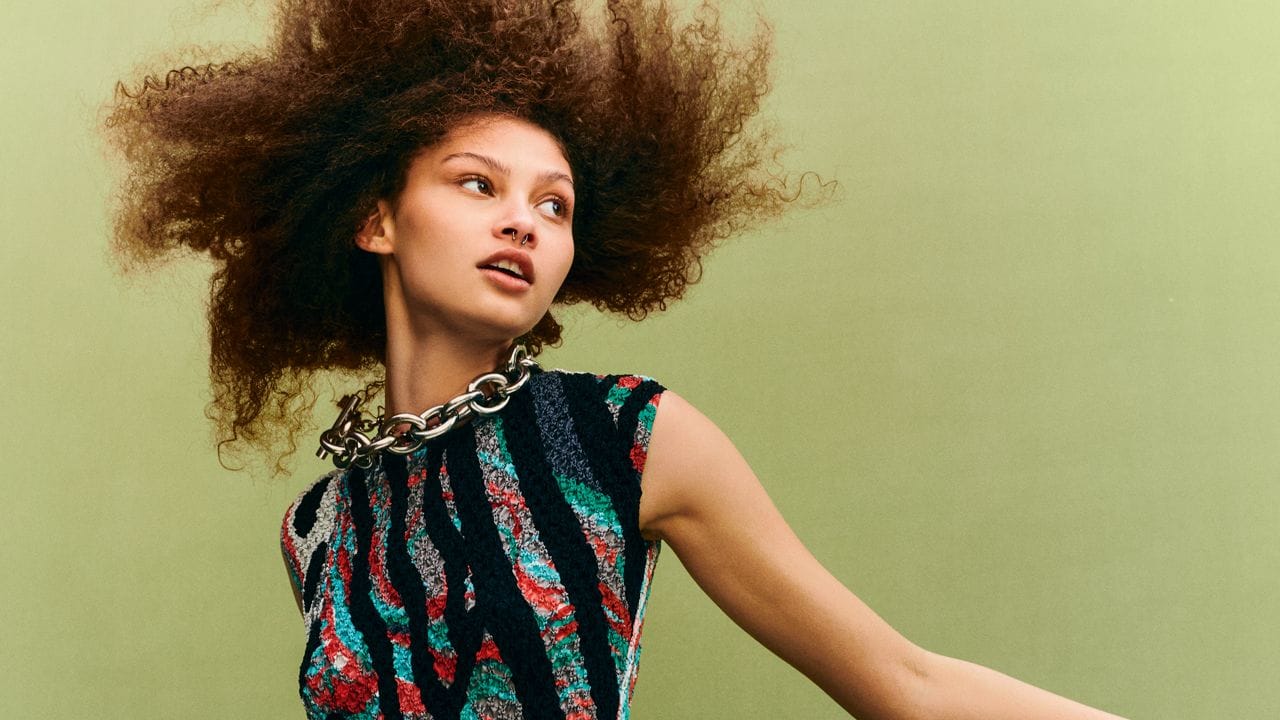
The natural hair movement had its moment — and for a stretch, it felt like a cultural reckoning. Relaxer sales collapsed by 60% between 2011 and 2016, prompting Forbes to declare cream texturizers nearly extinct by 2022. Chemically straightened Afro hair went from default to déclassé. And then, quietly, the creamy crack came back.
According to Vogue, London-based celebrity stylist Zateesha Barbour has watched the shift play out in real time with her clients, and their reasoning is blunt: "I just want my hair straight. Why does the decision have to be so difficult? Why do I have to think about things that other people don't have to think about?" That exhaustion is the throughline. Veteran stylist Charlotte Mensah, with 40 years in the industry, calls it natural-hair fatigue — the cumulative weight of wash days, layered products, deep conditioning sessions, and daily manipulation. Her caveat: "Natural hair itself isn't the problem. Often it's the routine that has become too complicated."
The Stakes Are Higher Than a Hair Appointment
The resurgence is landing at an uncomfortable moment. Arizona has filed a lawsuit against L'Oréal alleging the company failed to adequately warn consumers of health risks linked to chemical relaxers — including alleged connections to uterine cancer, fibroids, and reproductive harm. A landmark UK report by World Afro Day and research consultancy Shift Insight found that a third of Afro-textured hair respondents said hair products had damaged their physical health. Leading dermatologist Dr. Sharon Belmo notes that while relaxers sold in the UK are regulated as cosmetics, regulation doesn't prevent burns or scalp damage from misuse — and so-called "gentler" lye-free formulas are still highly alkaline. "I do not believe, nor do we have the evidence to prove, that they are inherently safer for the scalp," she says flatly. Yet kits remain widely available, online and on shelves.
So what's actually driving women back? Celebrity stylist Andree Marie — whose client list includes Tems and Burna Boy — points to the obvious: trends. The pixie-cut revival, fueled by moments like Zendaya's recent crop, has made a relaxer feel like the practical path to a sleek '90s silhouette. But she also names the less glamorous factors: menopause-related texture changes, grueling gym schedules that make restyling coiled hair feel punishing, and the cold math of professional survival. The same World Afro Day report found that 76% of Black women reported workplace bias for wearing natural hair, and 64% said hair discrimination had limited their career progression. Meanwhile, 42% had skipped exercise entirely due to hair-maintenance concerns — more than triple the rate of women without Afro-textured hair. Against that backdrop, "personal grooming choice" gets complicated fast.
Stylist and texture expert Michelle Sultan, who has phased relaxers out of her practice entirely, argues that the industry has moved far enough that permanently altering hair structure shouldn't be the default path to manageability. She is also candid about her own experience with fibroids, and while she stops short of drawing a direct line to past relaxer use, she doesn't take the wider research lightly. Mensah urges restraint in reading every straight style as capitulation: "We have to be careful not to assume that every Black woman who chooses straight hair is rejecting her natural texture." The real story here isn't a trend reversal — it's that Black women are still navigating a system that makes every hair decision carry more weight than it ever should.
Read the original at Vogue.