The Ultimate Guide on How to Find Your Undertone
Warm? Cool? Olive? Experts break down how to find your undertone to get the perfect complexion match.
Reported by Vogue.
If you've ever walked out of a beauty store with a foundation that looked perfect in the fluorescent lighting and completely wrong in actual sunlight, undertones are why. Not your shade range, not the formula — your undertone. And yet it's the piece of the complexion puzzle most of us were never properly taught to identify, according to Vogue.
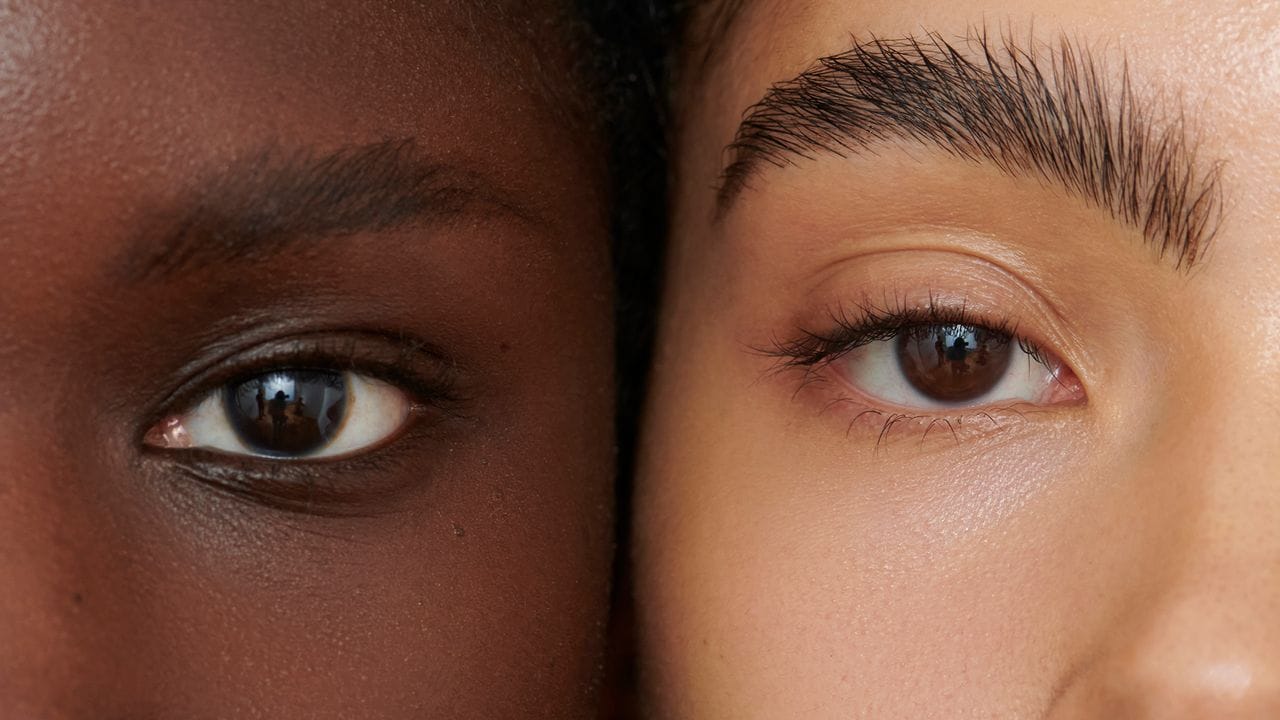
Here's the baseline: your undertone is the color beneath your skin's surface, and unlike your surface tone — which shifts with sun exposure, hormones, redness, or hyperpigmentation — your undertone is essentially fixed. Celebrity makeup artist Daniel Martin, who also serves as Tatcha's global director of artistry and education, puts it plainly: it's "really what determines how a makeup shade is going to look on you." The four main categories are cool (pink, red, rosy, or blue-leaning), warm (yellow, golden, peachy, or orange), neutral (an even mix of both without pulling strongly in either direction), and olive (a subtle green or gray-green cast that can skew warmer or cooler). YSL Beauty national makeup artist J. Brandon Correa is quick to note that these aren't rigid boxes — plenty of people sit between categories, and olive undertones especially tend to be more complex to read and match.
How to Actually Figure Out Your Undertone
Martin's go-to is the jewelry test: hold silver and gold jewelry against your skin in natural light. Silver flattering? Cool undertone. Gold? Warm. Both work equally? Neutral. Rose gold or mixed metals? You might be olive or somewhere in between. Correa's method goes a layer deeper — literally. He recommends examining the inner crooks of your elbows, your jawline, and where your ears meet your head, then looking for the subtle cast beneath the skin rather than its obvious surface color. A white background photo in natural daylight, no filters, is another reliable trick: the neutrality of the background lets your skin's warmth or coolness show clearly. As for whether your undertone can change — it won't, but your surface skin absolutely will. Rosacea, acne marks, and even seasonal shifts can make a warm undertone temporarily read cooler, which is why your perfect foundation shade in January might not be right in August.
Once you know your undertone, the product logic follows. Foundation is where it matters most — Martin recommends swatching along the nose and cheek and checking in natural light; the right shade disappears into your neck without pulling orange, gray, or pink. Cool undertones should seek pink- or rosy-based formulas; warm undertones, yellow or honey-based; olive, golden-olive or muted golden shades. The same logic extends to blush, lip color, and bronzer. Cool undertones thrive in berries, plums, and icy champagnes; warm undertones in peach, coral, and caramel; olive undertones in earthy bronzes and muted reds — and Martin specifically flags to avoid anything too pink, icy, or orange. Eyeshadow and highlighter follow suit, though Correa notes that the most striking looks sometimes come from pushing against your undertone rather than matching it.
Think of undertone knowledge less as a rule to follow and more as a cheat code — once you have it, the guesswork finally stops.
Read the original at Vogue.