These Are the Best Ways to Treat Melasma, According to Dermatologists
Say goodbye to stubborn dark spots!
Reported by Women's Health Magazine.
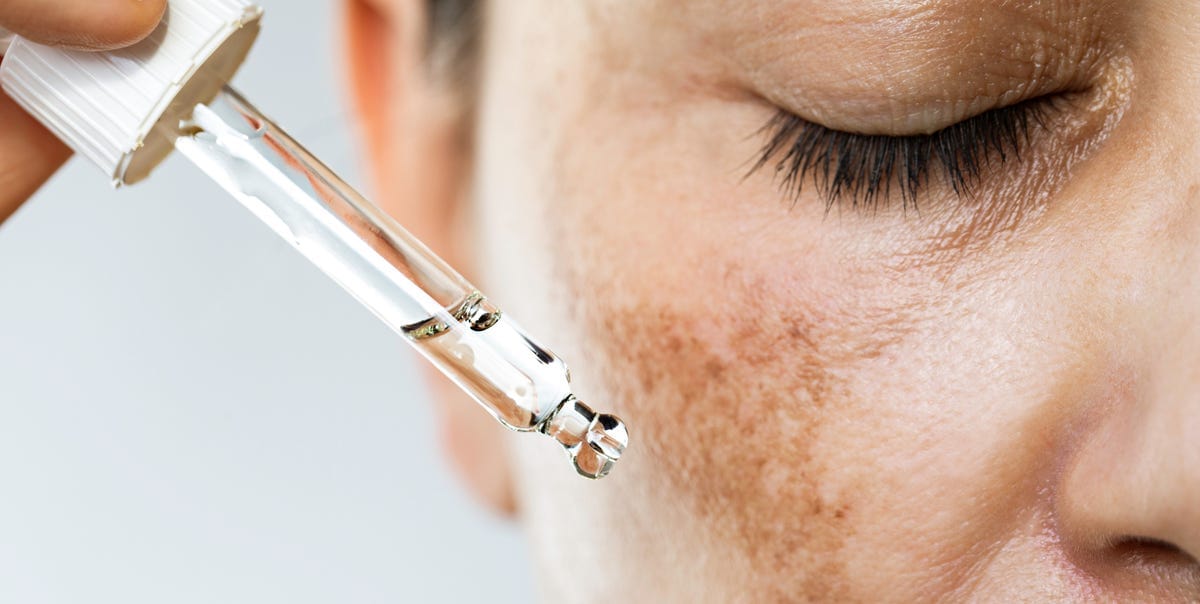
Dark spots are one of those skin concerns that feel deceptively simple — just hyperpigmentation, right? — until you're six products deep and nothing is working. Melasma in particular has a reputation for being especially stubborn: a chronic condition marked by symmetrical, blotchy brownish-gray patches that most often appear on the cheeks, forehead, and upper lip. According to Women's Health Magazine, up to one-third of the general population may develop melasma, and nearly half of all pregnant women will experience it — earning it the nickname "the mask of pregnancy."
The condition develops when melanin-producing cells go into overdrive, typically in response to hormonal shifts. Think perimenopause, pregnancy, or changes to birth control — elevated estrogen levels appear to stimulate pigment production. Sun exposure and heat can trigger flare-ups, as can inflammatory skin conditions like acne or eczema. Genetics also play a role. While anyone can develop melasma, it disproportionately affects women of childbearing age and people with deeper skin tones, including those of Black, Hispanic, and Asian descent, says New York-based board-certified dermatologist Jessica Dowling, MD. The first step before treating anything, stresses NYU dermatology professor Efe Kakpovbia, MD, is getting an actual diagnosis — because not all dark spots are melasma, and the wrong treatment algorithm wastes time and money. Dermatologists use a Woods Lamp, a UV light tool, to determine how deeply pigment sits in the skin, which directly informs how aggressive treatment should be.
What Actually Works
There is no cure for melasma — full stop. Treatments manage the overproduction of melanin; they don't eliminate the triggers. Severity fluctuates even with consistent treatment, so managing expectations is part of the process. That said, the options are meaningful. Hydroquinone remains the gold standard: a prescription skin-lightening agent that blocks the enzyme responsible for melanin production. Dr. Kakpovbia calls it her go-to first recommendation, though she notes it requires careful application (never onto normally pigmented skin — it can create a "halo effect") and dermatologist supervision to avoid rare but serious side effects like ochronosis, a permanent bluish-black discoloration from long-term use. Standard protocol is roughly three to four months on, followed by a break. In more severe cases, hydroquinone is combined with fluocinolone and tretinoin, used nightly for three-month cycles, says Dr. Dowling. A compelling alternative is oral tranexamic acid, which Dr. Kakpovbia describes as equally — or potentially more — effective for many patients, though it carries risks including GI side effects and a slightly elevated blood clot risk.
For those without easy access to a dermatologist — and given the documented shortage of dermatologists in the U.S., that's a significant portion of people — over-the-counter actives can still move the needle. But none of it matters without sunscreen. "If a patient is coming to see me and they're not wearing sunscreen and they don't want to wear it, I say we're wasting our time," Dr. Kakpovbia says. Both she and Dr. Dowling recommend a tinted mineral formula for daily use, alongside brightening ingredients like vitamin C, niacinamide, and azelaic acid — all of which can help slow melanin overproduction without a prescription. Family physician and skincare specialist Gina Charles, MO, echoes this layered approach: sun protection first, actives second, patience always.
Melasma is a long game, not a quick fix — but with the right diagnosis and a treatment plan built around your skin's actual needs, fading those patches is entirely within reach.
Read the original at Women's Health Magazine.