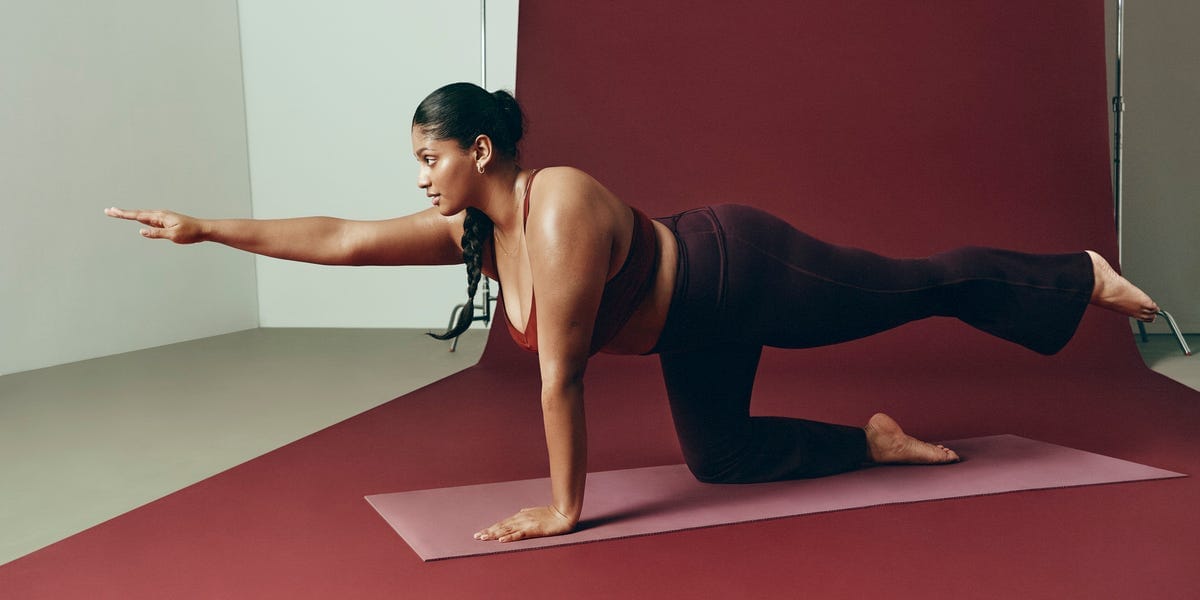
This Common Complaint May Be Quietly Wrecking Your Sleep
Feeling older than you are may be hurting your sleep — and poor sleep may make you feel older. Here's what the research says and how to break the cycle.
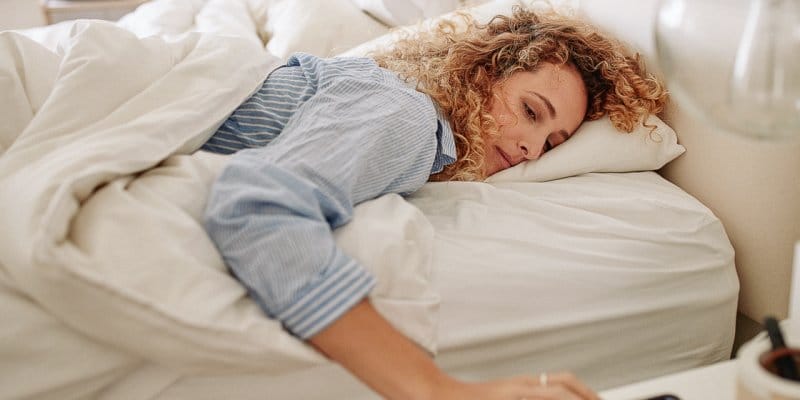
Reported by MindBodyGreen.
You know that feeling — you wake up wrecked, shuffle through the day, and think, God, I feel ancient. Turns out that's not just a mood. A new study of more than 3,100 adults found that the gap between how old you feel and how old you actually are has measurable consequences for your sleep — and not in a good way. According to MindBodyGreen, researchers examined four distinct sleep markers: insomnia severity, overall sleep health, sleep regularity, and daytime impairment caused by poor sleep. People who felt older than their chronological age scored worse across all four — consistently, significantly, and regardless of whether they were actually older, more anxious, or clinically depressed.
The study surveyed 3,177 adults with an average age of 42.8 — nearly half of them women — using validated tools including the Insomnia Severity Index and the PROMIS Sleep-Related Impairment scale. Participants self-reported their subjective age, and researchers calculated the discrepancy between that number and their actual age. A positive gap meant feeling older; a negative one meant feeling younger. The finding that subjective age predicted sleep outcomes even after controlling for depression, anxiety, sex, and race is what makes this research worth paying attention to. It's not just that sad or stressed people sleep badly. Something about feeling older — independent of everything else — is quietly eroding sleep quality.
The Loop You Need to Know About
Here's where it gets more interesting, and more actionable. The researchers also found that poor sleep appears to be one of the pathways through which feeling older damages physical health — worse insomnia and less sleep regularity were both linked to lower self-reported physical health scores. And while this particular study only tested one direction of the relationship, the reverse is almost certainly true too: chronic sleep deprivation makes your body ache, your mood tank, and your energy disappear. That full-body drag? Easy to misread as aging. Which means feeling older and sleeping badly could be reinforcing each other in a loop that compounds quietly over time.
The practical implications are straightforward. Sleep regularity — not just duration — was one of the key variables tied to feeling older, so going to bed and waking at consistent times (yes, weekends included) matters more than most people realize. Equally important: stop treating bad sleep as an inevitable feature of getting older. Insomnia is treatable. Addressing it early, rather than normalizing it as just part of life, has downstream effects on both physical health and how old you actually feel day to day. Consistent exercise, morning light exposure, and stress management reinforce the kind of deep, regular sleep that keeps your body — and your internal sense of yourself — from aging ahead of schedule.
How old you feel isn't just a vibe; it may be one of the clearest signals your body is sending about the quality of your sleep — and the sooner you take it seriously, the better your odds of breaking the cycle.
Read the original at MindBodyGreen.