Want to Feel Fuller Longer? Start With These 6 Protein Powders
How protein powder can help be a tool for maintaining a healthy weight.
Reported by Women's Health Magazine.
Protein has long held its throne as the macronutrient for muscle building, but its role in weight management is just as significant — and far less discussed. According to Women's Health Magazine, protein powder can be a legitimate tool in that effort, not a magic fix. "Protein powder can be used to supplement protein intake throughout the day, which can help to curb appetite and promote controlled caloric intake," says Crystal Zabka-Belsky, MS, RD, resident dietitian at Clean Eatz Kitchen. The mechanism runs deeper than simply feeling full: amino acids from protein directly influence hunger-regulating signals in the body, a process sports dietitian Laurie Schubert, PhD, RD — Chair of the Medical, Health, and Wellness committee for USA Ninja — says is central to weight management. Since the body can't manufacture all essential amino acids on its own, what you eat (or supplement) genuinely matters.
Choosing the Right Formula Is Half the Work
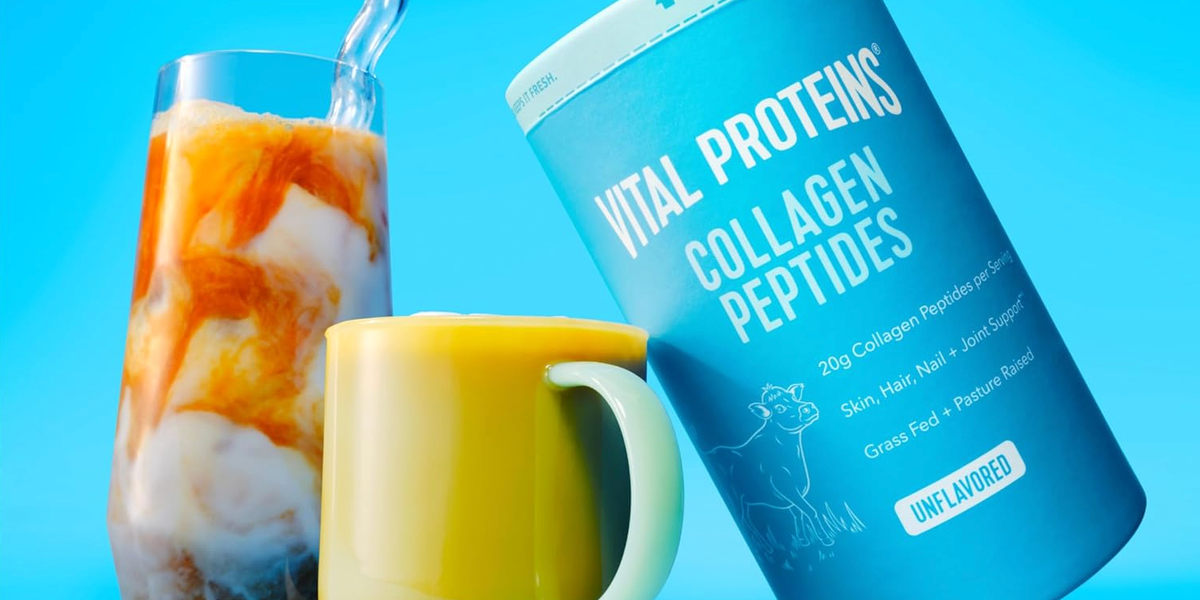
Not every protein powder earns a spot in your routine. Quality varies dramatically, and if your goal is weight management, the details count. Look for 20 to 30 grams of protein per serving, a strong protein-to-calorie ratio, and minimal added sugars or filler ingredients. Dairy-based options like whey — fast-digesting and strongly linked to improved body composition — and casein, which digests slowly and extends satiety, are both complete proteins containing all nine essential amino acids. Zabka-Belsky recommends casein specifically in the evening: it supports overnight recovery without spiking digestion. Plant-based blends using pea and rice proteins can match that complete amino acid profile for anyone avoiding dairy, while collagen, though popular, is neither complete nor a weight-loss tool — it's better suited for skin and joint support.
Texture and taste aren't vanity concerns — they're compliance concerns. A powder you actually enjoy is one you'll use consistently. Whey and casein tend to blend smoother and creamier; plant-based options can run thicker with earthier notes. Vanilla is the most versatile flavor if you're mixing into oats, smoothies, or coffee. Chocolate is your safest bet for standalone shakes. Whatever you choose, if it sits untouched on a shelf, it's not working.
Third-party certification is non-negotiable. The FDA doesn't closely regulate dietary supplements, which means labeling accuracy and ingredient safety aren't guaranteed without independent verification. Look for seals from NSF, USP, or Informed Choice — organizations that confirm a product contains what it claims and nothing it shouldn't. On the frequency question: one to two servings per day is the practical ceiling. Protein powder supplements your diet; it doesn't replace whole-food sources like chicken, Greek yogurt, or legumes, which deliver fiber, vitamins, and minerals no powder fully replicates. "Protein powders don't have enough calories or nutrition to be actual meals," notes registered dietitian Megan Byrd, RD.
For daily protein targets, research published in The American Journal of Clinical Nutrition points to 1.2 to 1.6 grams per kilogram of body weight as the effective range for appetite regulation and weight management — roughly 109 to 146 grams per day for a 200-pound person. Individual needs shift based on age, activity level, and body composition, so a registered dietitian remains your best resource for dialing in your specific number. Protein powder, used strategically alongside whole foods and resistance training, can meaningfully support your goals — but the strategy still has to be yours.
The right protein powder won't do the work for you, but chosen thoughtfully, it can make showing up for that work a lot easier.
Read the original at Women's Health Magazine.