What Witney Carson Wants Women to Know About Skin Cancer
Melanoma has been rising in younger adults, especially women. Here’s what a dermatologist has to say.

Reported by Women's Health Magazine.
Witney Carson was 19, on the verge of her professional debut on Dancing with the Stars, when a strawberry-colored mole on her foot changed everything. Her mother spotted it first — family history of skin cancer on both sides meant they didn't wait. The biopsy came back positive for melanoma. "It came back positive and that's when things went a little bit more serious than I had planned," Carson recalled. Surgery couldn't wait, and neither could her life.
According to Women's Health Magazine, melanoma rates are climbing in younger adults — particularly women — even as skin cancer remains the most diagnosed cancer in the U.S., outpacing all other cancers combined. The survival rate when caught early sits at approximately 99 percent. "Most of the time when you have a skin cancer, you find it early, you remove it, and that's the end of it," says Dr. Jennifer A. Stein, dermatologist at NYU Langone Health. The problem is that most people aren't looking.
Know Your Skin, Know Your Risk
Dr. Stein's surveillance advice is straightforward: you're looking for the outlier. A mole that's a different color from the rest, something new that's growing or changing, a spot that bleeds, hurts, or refuses to behave like a normal pimple — those are your cues to get checked. For women specifically, the legs are the most common melanoma site, but Dr. Stein is emphatic that nowhere is off-limits: between the toes, the sole of the foot, under a nail. Look everywhere. How often you need a professional skin check depends on your personal risk profile — prior skin cancer, family history of melanoma, a high mole count, significant tanning bed or sun exposure, or immunosuppressive medications all raise your baseline risk.
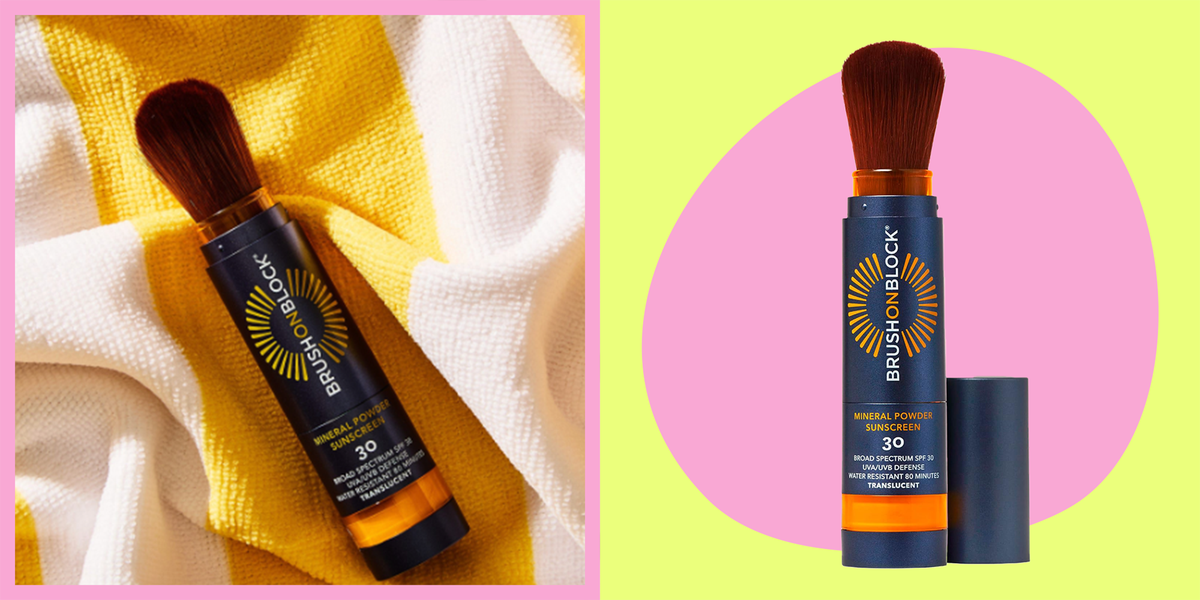
On sunscreen: Dr. Stein draws a useful distinction between mineral formulas (zinc oxide or titanium dioxide, which physically block UV from penetrating skin cells) and chemical sunscreens (which absorb UV energy instead). Either beats nothing, but she frames sunscreen as your last line of defense — the backup for whatever sun-protective clothing doesn't cover. Burst exposure matters too; melanoma disproportionately appears on skin that's usually covered and then suddenly scorched, not just the chronically sun-damaged areas like the face where other skin cancers tend to cluster.
Carson, now cancer-free and a mother of two, gets checked annually and monitors her kids regularly — because yes, it's hereditary. Her message isn't fear. "We're sun people, we love to be outside. I don't want people to be scared of the sun," she says. Dr. Stein agrees: the goal is protection and vigilance, not avoidance. Cover up, apply sunscreen, photograph your moles to track changes over time, and see a dermatologist before something requires more than an office visit to fix.
The bottom line is unglamorous but non-negotiable: your skin is the one organ you can actually see, so use that advantage before it becomes an emergency.
Read the original at Women's Health Magazine.