Where Will the Titular Girls of HBO’s ‘Girls’ Find Themselves 10 Years Later? Some Guesses
I can’t believe the wildly-to-mildly annoying young women who made me and my Brooklyn-dwelling friends feel a little too seen in 2018 are coming back for more.
Reported by Vogue.
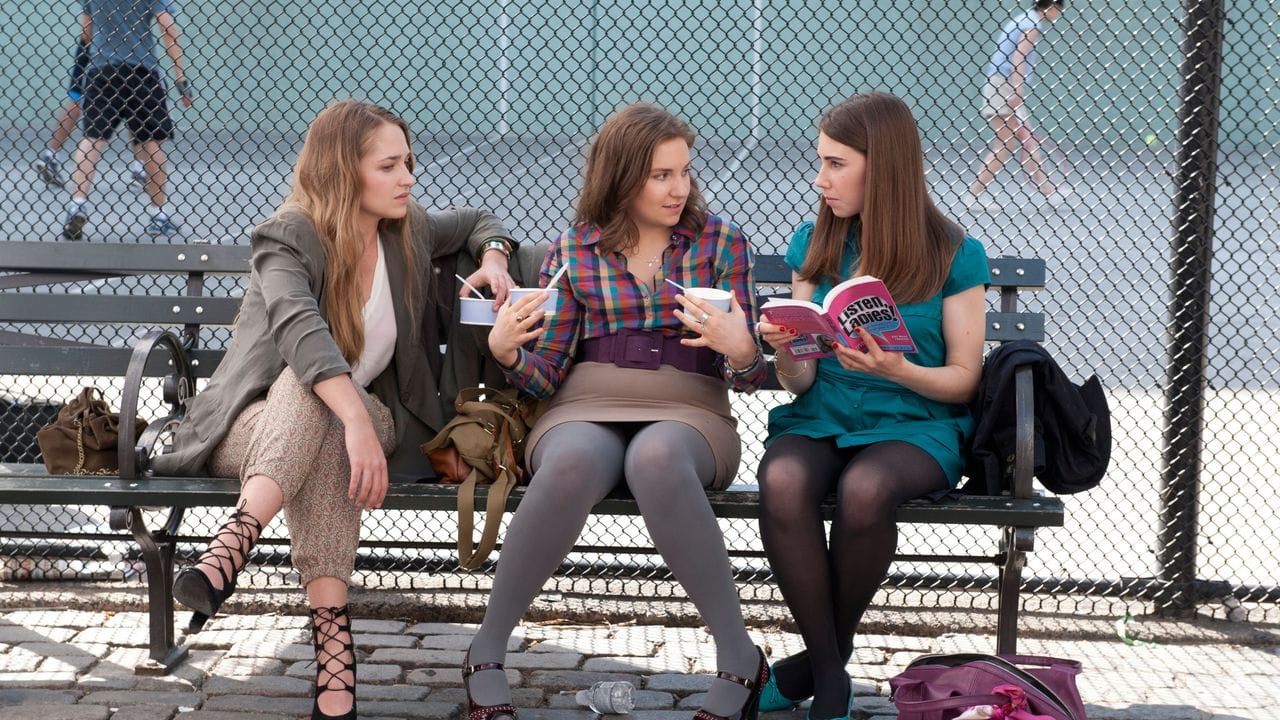
Ten years is a long time. Long enough for the women who made Brooklyn feel like both a punchline and a mirror to have theoretically grown up — or at least gotten better at pretending. According to Vogue, HBO is bringing back Girls for a five-episode limited run, with Lena Dunham, Allison Williams, Zosia Mamet, and Jemima Kirke all confirmed to return. Andrew Rannells is back as Elijah. Adam Driver is not. Make of that what you will.
Dunham says the revival only made sense once she had a story worth telling — and apparently, it arrived right around her 40th birthday, the characters suddenly "talking to her in the shower." Production is set to begin next summer, putting the fictional timeline at roughly a decade after the original finale. Which raises the only question that actually matters: where did these women land?
Ten Years, Four Women, Infinite Chaos
Hannah Horvath's son Grover would be closing in on eleven, which means she's either white-knuckling the New York City high school admissions process or still tucked away in upstate New York, possibly thriving as a single-mom memoirist with a tenure-track position and a chronic inability to be on time for school pickup. Marnie Michaels — perpetually the most exhausting person in any room — is almost certainly a mother, either to actual children she's failing to gentle-parent or to a rotating cast of twenty-something art-world assistants who are living through the exact same humiliations she did. A finance husband with a jawline? Sold separately, probably via conscious uncoupling. Shoshanna, always the sleeper hit, likely went full corporate power player — somewhere between genuine visionary and Theranos-adjacent cautionary tale — still meeting Ray for Sunday lunch to split the Times and complain about Williamsburg's gentrification. Elijah: unhappily, openly coupled to someone very famous, more attractive than ever, still performing in the car. And Jessa? Either a ghost or deep in a wellness spiral with no return address — because that's the only two exits that character ever had.
What's interesting isn't the nostalgia. It's the timing. These characters — messy, self-absorbed, deeply specific — were always more culturally revealing than comfortable. Revisiting them at forty, broke in different ways, right-er or wronger than they expected to be, feels less like a reboot and more like a reckoning. The original Girls was always better at diagnosis than resolution. Here's hoping the revival finally lets these women be complicated and consequential — not just one or the other.
If Girls at twenty-something was about figuring out who you were, Girls at forty is about deciding whether you're okay with the answer.
Read the original at Vogue.