Why Tetanus Is On the Rise in the United States—and How You Can Stay Safe
Doctors break it down.
Reported by Women's Health Magazine.
Tetanus has not exactly been a front-of-mind health concern for most Americans — and for good reason. Decades of routine vaccination drove cases down by over 95 percent since 1947, leaving the U.S. with fewer than 40 infections annually since 2010, according to Women's Health Magazine. But that quiet baseline is starting to shift, and public health researchers are paying attention.
A new viewpoint published in JAMA — led by Dr. Kathryn Edwards, vaccinology researcher and professor of pediatrics at Vanderbilt University Medical Center — flags a measurable uptick: 18 reported U.S. cases in 2023, climbing to 33 by 2025. That's not an outbreak, but it's enough movement to concern experts. What's driving it is largely vaccine hesitancy. Dr. Edwards points to children arriving at emergency rooms with serious injuries whose parents actively declined the tetanus shot — and who subsequently developed the disease. "We're seeing more of a pushback against the tetanus vaccine," she told Women's Health. Four recent pediatric cases in the CDC's latest data fit exactly this pattern.
What You Actually Need to Know About the Disease
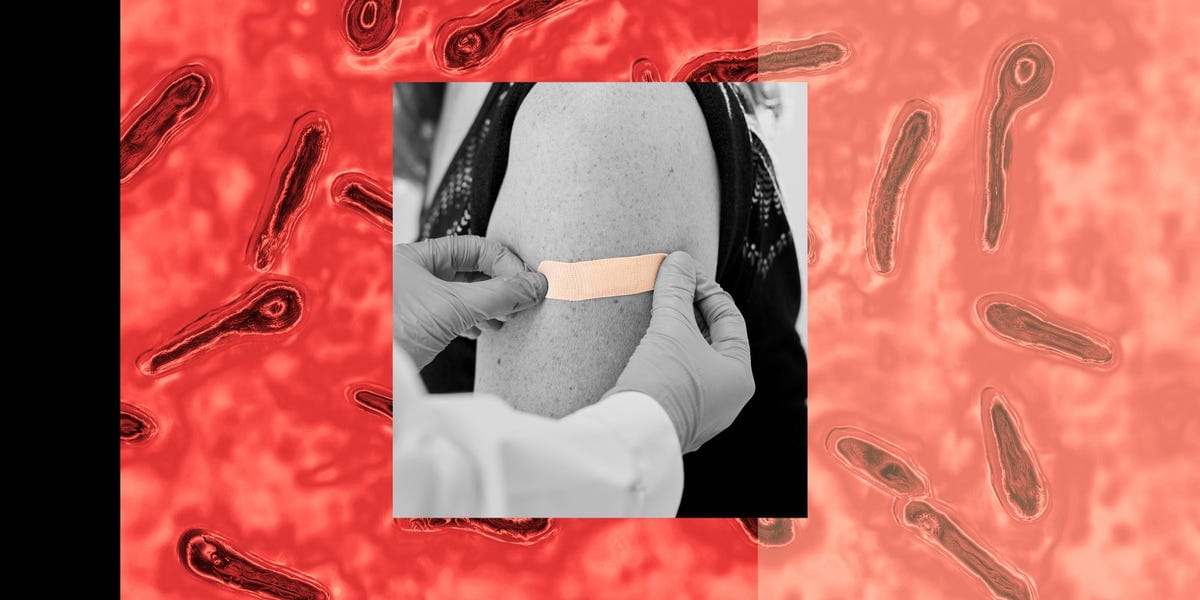
Tetanus is caused by the bacterium Clostridium tetani, which lives in soil, manure, and rust — essentially everywhere, permanently. It enters the body through a break in the skin, then produces a toxin that attacks the nervous system. Symptoms typically emerge three to 21 days post-exposure and include lockjaw, full-body muscle stiffness, seizures, fever, and dangerous changes in heart rate and blood pressure. Recovery is slow and brutal: because the toxin binds directly to nerve endings, patients often require ventilators and face extended hospitalization. In the U.S., one in 10 tetanus cases is fatal. "It's very painful and, if it's not rapidly treated, it can be deadly," says Dr. Jon Andrus, professor of Global Health at the George Washington University Milken Institute School of Public Health.
Prevention is straightforward: follow the recommended childhood vaccine schedule, stay current on adult boosters, and let your doctor assess whether an emergency booster is warranted after a serious wound. Dr. John Sellick, infectious disease expert and professor of medicine at the University at Buffalo/SUNY, is direct about it — "Vaccination is really key." The bacteria itself hasn't gone anywhere. What's changed is our collective willingness to guard against it. As Dr. Andrus puts it: "We have to vaccinate our children and ourselves against these old diseases or they will come back." Measles is already proving that point.
Tetanus is entirely preventable and genuinely dangerous — which means skipping the vaccine isn't a neutral choice, it's a gamble with odds that have already started to shift.
Read the original at Women's Health Magazine.