Could The Vegetables You're Ignoring Be The Key To A Healthier Gut?
New research found that celery, parsnip, and their botanical relatives significantly reduced gut inflammation and improved microbiome diversity in mice on a Western diet.
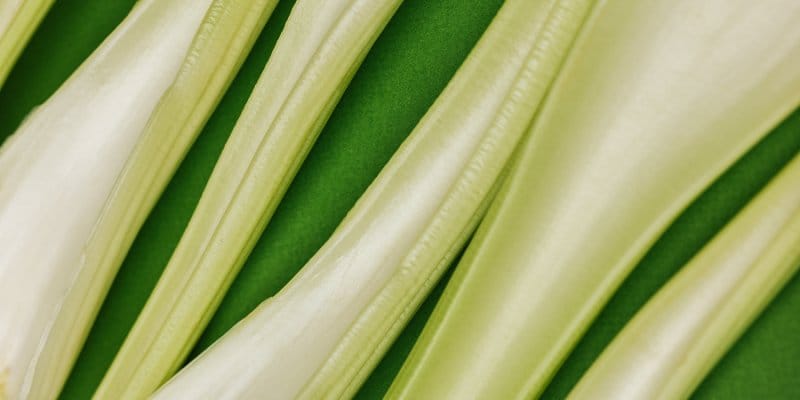
Reported by MindBodyGreen.
You've been told to eat your vegetables your whole life, but new research is finally getting specific about which ones might actually move the needle on gut health. A recent animal study found that adding celery, parsnip, and their botanical relatives to a Western-style diet significantly reduced gut inflammation, restored protective gut bacteria, and repaired damage to the intestinal lining — according to MindBodyGreen. The effective dose? About one cup a day. That's it.
The vegetables in question belong to the plant family Apiaceae — celery, parsnip, carrots, fennel, and parsley — a group that's gotten far less scientific attention than the perennial darlings of the wellness world (looking at you, kale). Researchers at the University of Arkansas fed mice a diet designed to mirror average American eating habits: high fat, high sugar, low fiber. They then induced intestinal inflammation to simulate IBD-like conditions, and supplemented some groups' diets with either 21% or 42% apiaceous vegetables. The lower dose maps to roughly one cup per day for humans.
What Celery and Parsnip Actually Did to the Gut
The results were striking. Compared to mice on the Western diet alone, those who received vegetable supplementation showed a 44% reduction in weight loss, a 57% reduction in colon shortening, and a 59% drop in disease activity scores — a composite measure that includes stool consistency and rectal bleeding. The mucus layer of the gut lining, nearly destroyed in the control group, remained visibly intact in the vegetable groups. A key structural protein called occludin — responsible for holding the gut lining together — was also restored. Inflammatory immune cells dropped by 80%, and inflammatory signaling molecules fell by 35–73%.
The microbiome shifts were equally notable. Apiaceous vegetable supplementation boosted two beneficial bacterial groups: Lachnospiraceae, which includes butyrate-producing strains that fuel and protect the colon lining, and Blautia, a genus associated with reduced inflammation and stronger gut barrier function. Harmful bacteria were simultaneously suppressed. Researchers attribute these effects to a two-pronged mechanism — the vegetables' bioactive compounds (including falcarinol, apigenin, and bergapten, all with documented anti-inflammatory properties) and their prebiotic fiber content, particularly the soluble pectin in celery, which appears to feed and sustain beneficial bacteria. The two mechanisms likely work in tandem rather than independently.
Important caveat: this was a mouse study using a chemically induced inflammation model, not a naturally occurring condition, and human trials haven't yet confirmed these effects. Still, the math here is low-stakes and the upside is real. Shave fennel into a salad, roast parsnips alongside your usual sheet-pan situation, throw fresh parsley on everything, keep celery sticks within snacking distance — one cup a day of this underrated vegetable family may offer meaningful gut protection, even if the rest of your diet isn't flawless.
The bottom line: the vegetables you've been walking past at the grocery store — celery, parsnip, fennel, parsley — may be quietly among the most gut-protective foods available, and getting enough of them takes less effort than you think.
Read the original at MindBodyGreen.