How Do You Write a Good Sex Scene in the Age of Ozempic?
On the shifting rules of writing bodies and desire
Reported by Harper's Bazaar.
There's a passage in Jonathan Franzen's Crossroads that describes the protagonist Marion as someone from whom "no man on the street" would want a second glance — her body framed as a kind of visual dead end. It's the sort of writing that gets shelved in libraries and praised in literary circles, and it is also, quietly, an act of erasure. According to Harper's Bazaar, that passage — and the culture that produces it — is exactly what fat writers are up against when they try to do something as radical as write a fat woman's erotic life.
The math of who gets to be desired in fiction has always tracked closely with the math of who gets to be desired in real life. In a country where four out of five Black women are fat, the absence of those bodies from erotic literature isn't an oversight — it's a decision. And the tools authors reach for when they do write fatness are almost always the same blunt instruments: a number on a scale, a clinical description, a weight used as shorthand for shame. The better craft move, the piece argues, is sensory. You cannot see 200 pounds. You cannot hear 300. So stop announcing it and start writing a body that exists in space, that sweats and wants and moves.
The Weight of What Goes Unsaid
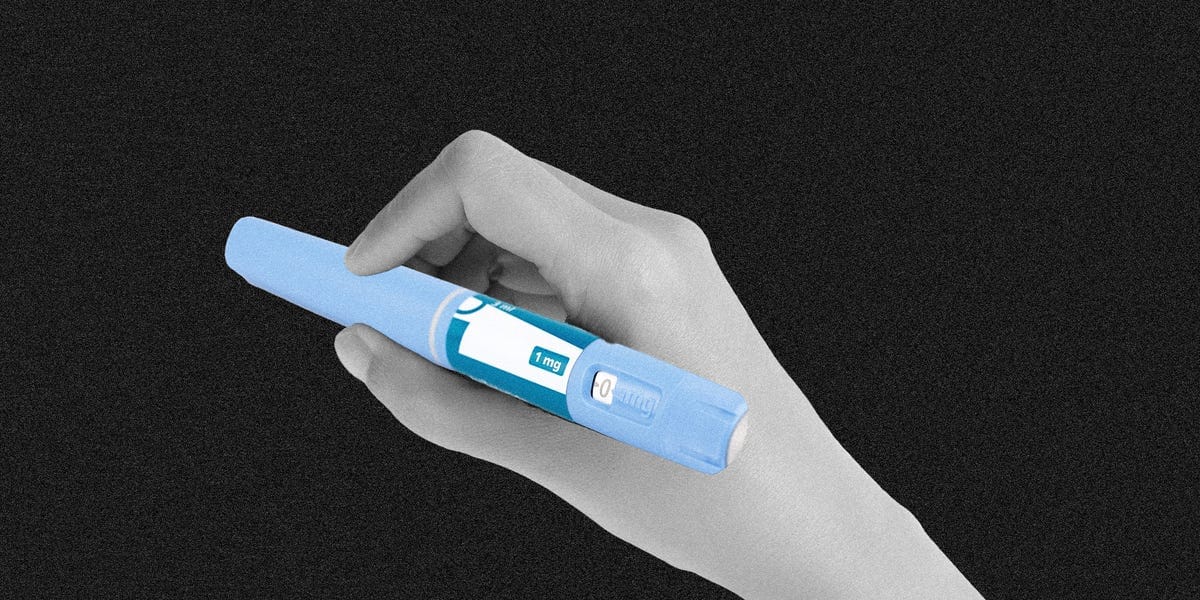
There's a particular kind of cultural gaslighting embedded in the current GLP-1 moment — Serena Williams on a TV ad saying "I'm moving better, I'm feeling better, this is health care" while drugs are being prescribed to children as young as 12. That age lands with weight (pun intended), because 12 is also the age of sitting in a Weight Watchers meeting above a Krispy Kreme on 23rd and Seventh, being weighed in public, a child among adults who found this unremarkable. So many cruel things that were once acceptable remain so. So many new cruelties are being quietly normalized.
What Bazaar surfaces here isn't just a craft essay — it's an argument about whose interiority counts as literature. The instruction to wait a year after your last diet before writing about your body isn't precious; it's practical. You need enough distance from the self-surveillance to actually see yourself. The erotic requires a subject, and diet culture spends a remarkable amount of energy making fat women feel like objects to be managed rather than people to be known. Writing against that isn't a political act so much as a basic act of accuracy.
Any body, any life — in its "meaty middle," unresolved and ongoing — is a story worth telling, and the writers who understand that are the ones building something that lasts longer than a literary reputation built on someone else's invisibility.
Read the original at Harper's Bazaar.